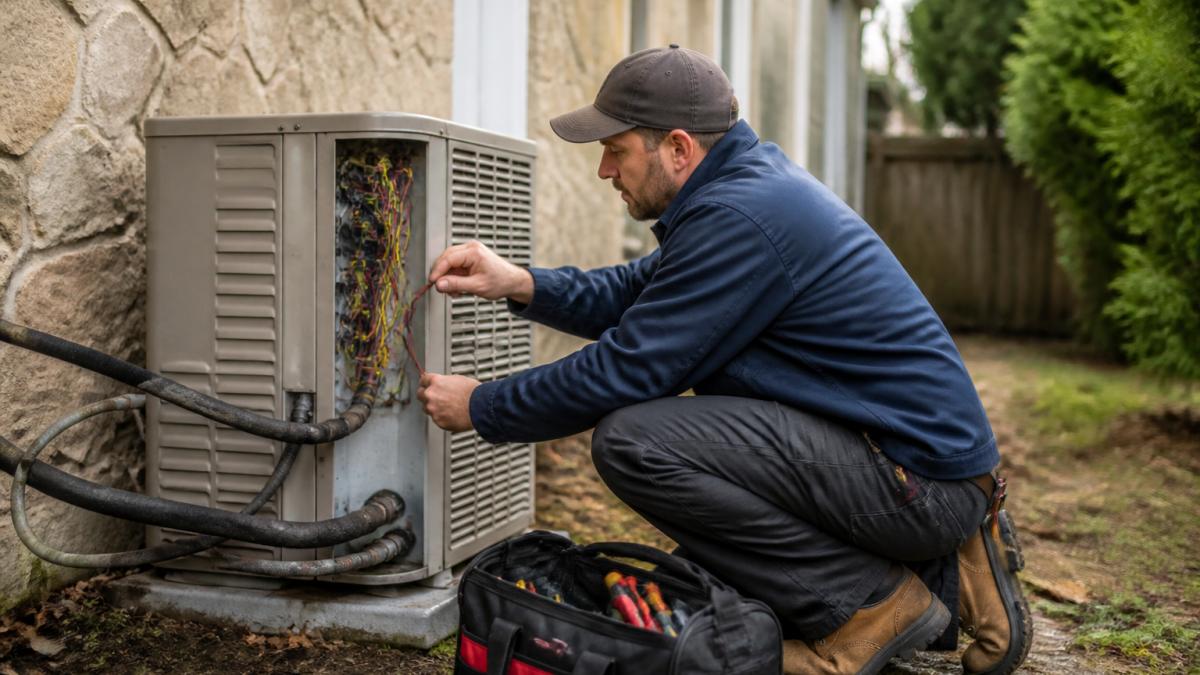
 how-to
Book Emergency HVAC Repair: A Step-by-Step Guide
Table of Contents
- Signs Your HVAC Needs Emergency Repair
- What to Check Before Calling HVAC Emergency Service
- How to Prepare for an HVAC Technician Visit
- Step-by-Step Process to Book Emergency HVAC Repair
- What to Expect During Emergency HVAC Service
- Common Mistakes to Avoid When Booking Emergency HVAC Service
- Frequently Asked Questions
Last Updated: October 4, 2026
Signs Your HVAC Needs Emergency Repair
Some HVAC problems demand immediate attention to prevent damage or safety hazards. Knowing which issues warrant emergency HVAC repair versus routine maintenance saves money and prevents costly complications.
A complete system failure during extreme weather is a genuine emergency. A system making strange noises but still running can usually wait for a regular appointment.
Complete System Failure
A complete system failure, furnace won't ignite, air conditioner won't cool, or both stop working, is the clearest sign you need emergency HVAC repair. During winter this becomes dangerous quickly; during summer, indoor heat can climb to dangerous levels within hours.
Call for emergency service immediately when your system stops producing heat or cool air. Valley View HVAC responds to complete system failures with same-day service.
Strange Noises or Burning Smells
Unusual sounds signal internal problems: grinding means internal damage, high-pitched squeals indicate refrigerant leaks or belt issues, and clanking suggests loose components.
A burning smell is particularly urgent, it signals electrical problems, overheating, or debris. Turn off your system immediately and call for emergency service, as continuing to run it could create a fire hazard.
Refrigerant Leaks
Refrigerant leaks require emergency attention, they prevent cooling and can damage the compressor. Signs include weak cooling, hissing sounds near the outdoor unit, or oily residue.
A refrigerant leak won't resolve itself and will cause expensive compressor damage if unaddressed. Call for emergency HVAC repair immediately.
What to Check Before Calling HVAC Emergency Service
Before calling for emergency HVAC repair, run through a few quick checks that take five minutes and might save you an emergency service fee.
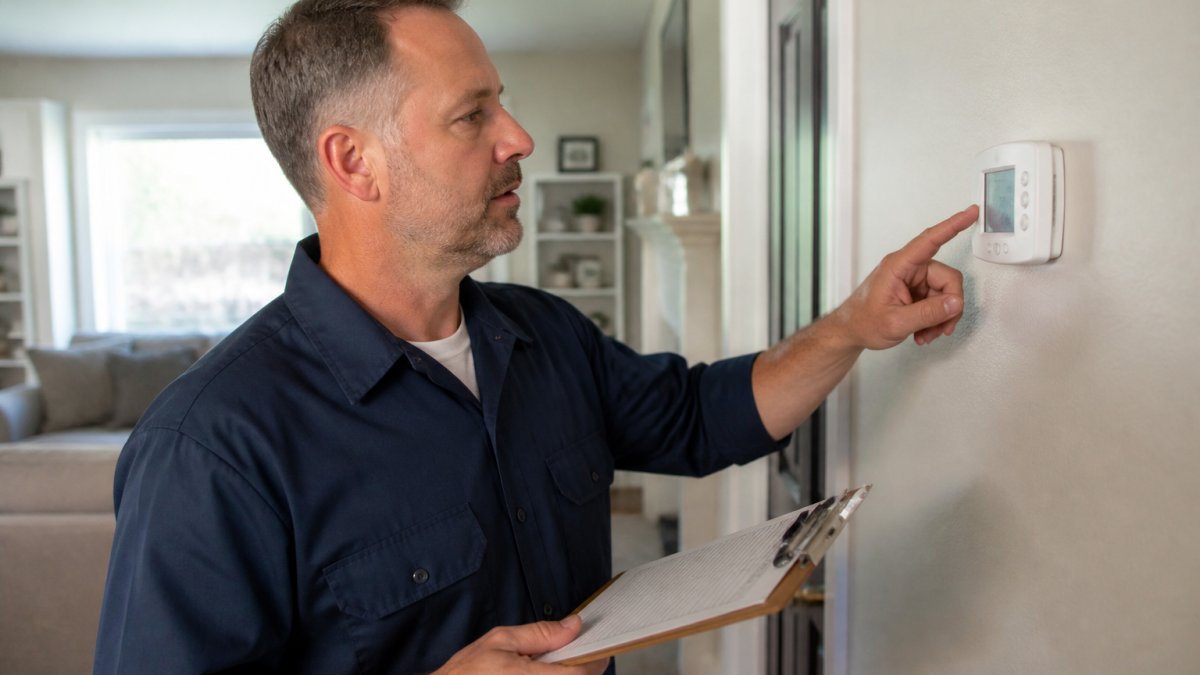
Thermostat and Power
Check that your thermostat is set to the correct mode and temperature. A thermostat accidentally set to the wrong mode is the most common reason people think their system has failed.
Verify the thermostat has power: replace batteries if battery-powered, or check that the breaker hasn't tripped if wired.
Air Filter and Airflow
A clogged air filter restricts airflow and can trigger automatic shutdowns. Check and replace your filter if dirty or clogged.
Feel the air from your vents. Weak airflow combined with a clogged filter means the system is struggling; strong blockage can trigger automatic shutdowns.
Circuit Breaker and Electrical Connections
Walk to your electrical panel and check the breaker for your HVAC system. If it's tripped (switched to the middle position), flip it back to the on position. Occasionally, a power surge or electrical demand will trip the breaker.
If the breaker trips again immediately after you reset it, don't keep resetting it. This indicates an electrical problem that requires professional diagnosis. Call for emergency HVAC repair at this point.
How to Prepare for an HVAC Technician Visit
When you call for emergency HVAC repair, having system details ready speeds up diagnosis and reduces troubleshooting time.
Gather System Information
Find your HVAC system's model and serial number (usually on a label on the outdoor unit or furnace) before the technician arrives.
Note the system's age and when it was last serviced. Mention any recent repairs, this helps the technician understand your system's history.
Clear Access to Equipment
Clear away boxes, storage, or debris blocking your furnace or air handler. Trim branches back several feet from the outdoor unit.
Document the Problem
Document when the problem started, what sounds you've heard, temperature changes, and any unusual events before failure (storm, power outage).
Step-by-Step Process to Book Emergency HVAC Repair
Booking emergency HVAC repair involves a few key steps. Following this process ensures the technician arrives prepared and your problem gets diagnosed and fixed as quickly as possible.
Step 1: Confirm It's a True Emergency
Before calling for emergency service, honestly assess whether your situation requires immediate response. No heating during a winter freeze is an emergency. No cooling during a heat wave is an emergency. A system that's making noise but still running usually isn't an emergency, though you should schedule prompt service.
Emergency service typically costs more than regular appointments because technicians prioritize urgent calls and may need to adjust their schedule. Confirming it's genuinely urgent ensures you're using emergency resources appropriately and managing costs responsibly.
Step 2: Contact Your HVAC Service Provider
Call your regular HVAC contractor first if you have one. They know your system's history and can often prioritize your call. If you don't have a regular contractor or they're unavailable, search for emergency HVAC repair services in your area.
When you call, clearly state that you have an emergency. Describe the problem concisely: "My furnace won't heat" or "My air conditioner stopped cooling." This helps the dispatcher understand the urgency and assign an appropriate technician.
Step 3: Provide Detailed Information
Share the information you've gathered about your system and the problem. Tell the dispatcher the brand and age of your system if you know it. Describe the symptoms: no heat, no cooling, strange noises, or burning smells. Mention any checks you've already performed.
Schedule your complimentary consultation →
Provide your address and the best phone number to reach you. Let the dispatcher know if anyone at home has mobility issues or if the technician needs special access instructions. This information ensures the technician arrives prepared and knows what to expect.
Step 4: Confirm Arrival Time and Pricing
Ask for an estimated arrival time. Emergency services typically have response windows (within 2 hours, same day, etc.). Confirm what information you'll need to provide when the technician arrives, such as payment method or identification.
Ask about pricing before the technician arrives. Many emergency HVAC services charge a diagnostic fee, a service call fee, or dispatch fee separate from repair costs. Understanding these charges upfront prevents surprises when you receive the bill. Valley View HVAC provides transparent pricing information so you understand all costs before work begins.
What to Expect During Emergency HVAC Service
Understanding what happens during the service visit helps you prepare, ask informed questions, and make sound decisions about repair versus replacement.
Diagnostic Assessment
The technician will perform a diagnostic assessment to identify the problem. This involves checking electrical connections, testing components, measuring refrigerant levels if applicable, and reviewing system operation. The diagnostic process typically takes 30 minutes to an hour depending on the complexity.
During this time, ask the technician questions about what they're observing. How serious is the problem? Can it be repaired today, or does the system need parts ordered? What caused the failure? Understanding the diagnosis helps you make informed decisions about next steps.
The Repair vs. Replace Decision
Once the technician diagnoses the problem, you'll face a critical decision: repair the existing system or replace it entirely. This choice depends on several factors, and the technician should help you evaluate them.
Age of Your System, HVAC systems typically last 15-20 years with proper maintenance. If your system is 12+ years old and fails, replacement often makes more financial sense than repair, even if the repair is technically possible.
The 50% Rule, Many HVAC professionals use this guideline: if the repair cost exceeds 50% of the replacement cost, replacement is usually the better choice. For example, if a compressor replacement costs $1,800 and a new system costs $4,500, the repair falls within the 50% threshold and may be worth doing.
Frequency of Recent Repairs, If your system has needed repairs in the past 2-3 years (refrigerant recharge, capacitor replacement, blower motor repair), it's showing signs of age-related decline. One repair is normal maintenance. Multiple repairs signal that the system is deteriorating.
Energy Efficiency and Comfort Goals, Modern HVAC systems are significantly more efficient than units from 10+ years ago. A new air conditioner with a higher SEER2 rating uses less energy than an older unit.
Warranty and Peace of Mind, New systems come with manufacturer warranties (typically 5-10 years on parts, 1-2 years on labor). Repaired systems carry only the repair warranty (usually 1-2 years on the specific component replaced). If you're risk-averse and want predictable heating and cooling for the next decade, replacement provides greater peace of mind.
Ask the Technician for a Clear Recommendation, A skilled technician will present both options honestly. They should explain:
- The specific repair needed and its cost
- How long the repair is likely to extend the system's life
- The cost and efficiency gains of replacement
- Financing options if replacement is recommended
- The warranty coverage for each option
If the technician pushes replacement without adequately explaining why repair won't work, seek a second opinion. Conversely, if they recommend repair for a 18-year-old system that's failed multiple times, that's also a red flag. Reputable technicians balance their business interests with honest guidance about what's best for your home and budget.
Common Mistakes to Avoid When Booking Emergency HVAC Service
Knowing what mistakes to avoid helps you navigate the emergency HVAC repair process more effectively and avoid unnecessary costs.
Don't wait too long to call. If your system has completely failed during extreme weather, calling immediately matters. Delays mean your home becomes dangerously uncomfortable and you risk additional damage to the system.
Don't attempt complex repairs yourself. Simple checks like replacing air filters or resetting breakers are fine. Opening the system, handling refrigerant, or working with electrical components requires licensing and certification. DIY attempts often cause additional damage and create safety hazards.
Don't accept vague pricing. Before the technician begins work, ask for a clear estimate. Understand what the diagnostic fee covers and what additional charges might apply. A reputable service provider like Valley View HVAC explains all costs upfront.
Don't ignore system age when making repair decisions. If your system is 15+ years old and fails, replacement often makes more sense than repair. Older systems are less efficient, more prone to failure, and increasingly difficult to find parts for. A new high-efficiency system designed for your climate provides better comfort and lower energy bills.
Don't skip regular maintenance after emergency repair. Many emergency failures result from neglected maintenance. Seasonal inspections and filter changes prevent most emergency situations. Schedule maintenance appointments to keep your system running reliably.
When your heating or cooling system fails, emergency HVAC repair gets your home comfortable again quickly. Valley View HVAC responds to urgent calls with experienced technicians who diagnose problems accurately and explain your options clearly. Our team understands how critical heating and cooling are to your home's safety and comfort. Contact Valley View HVAC for emergency service and experience transparent, professional repair backed by our 2-year workmanship warranty.
Frequently Asked Questions
What constitutes an HVAC emergency?
An HVAC emergency occurs when your system stops working entirely, poses a safety risk, or fails during extreme weather. Complete system failure in winter or summer, burning smells, refrigerant leaks, and unusual noises from the compressor all require urgent attention. If your home temperature drops below safe levels or you suspect electrical hazards, contact emergency HVAC repair service immediately rather than waiting for a standard appointment.
What information should I have ready when booking emergency HVAC service?
Prepare your system's make, model, and age; the date of your last maintenance visit; and a clear description of what's wrong. Note any sounds, smells, or warning lights you've observed. Have your thermostat settings available. If you've already performed basic troubleshooting like checking the thermostat or air filter, share those results. This information helps the dispatcher assess urgency and ensures the technician arrives with the right tools and parts.
Should I try to fix my HVAC before calling a professional?
Basic troubleshooting is safe: check that the thermostat is set correctly, verify the system is powered on, and inspect the air filter. Reset a tripped circuit breaker if you're comfortable doing so. However, do not attempt to handle refrigerant leaks, electrical wiring, or internal components. These tasks require licensed technicians and specialized equipment. If basic checks don't restore function, contact emergency HVAC repair service immediately to prevent further damage.
How do I find a licensed HVAC technician in my area?
Search for licensed, bonded, and insured HVAC contractors in your region. Verify credentials through your state's licensing board and check reviews on trusted platforms. Ask for references from previous emergency repair jobs. Many local HVAC companies offer 24/7 emergency dispatch. When calling, confirm that technicians are EPA-certified and carry proper insurance. Valley View HVAC serves the Willamette Valley with fully licensed and insured technicians backed by a 2-year workmanship warranty.