 blog
blog
Is a Whole Home Dehumidifier Worth It?
Table of Contents
- What Is a Whole Home Dehumidifier?
- Signs You Need a Whole House Dehumidifier
- Whole House Dehumidifier vs. Portable Units
- Average Cost of Whole House Dehumidifier Installation
- Health and Home Protection Benefits
- Integration with Smart Home Systems and HVAC
- Is a Whole Home Dehumidifier Worth It for Your Home?
- Frequently Asked Questions
Last Updated: September 28, 2026
What Is a Whole Home Dehumidifier?
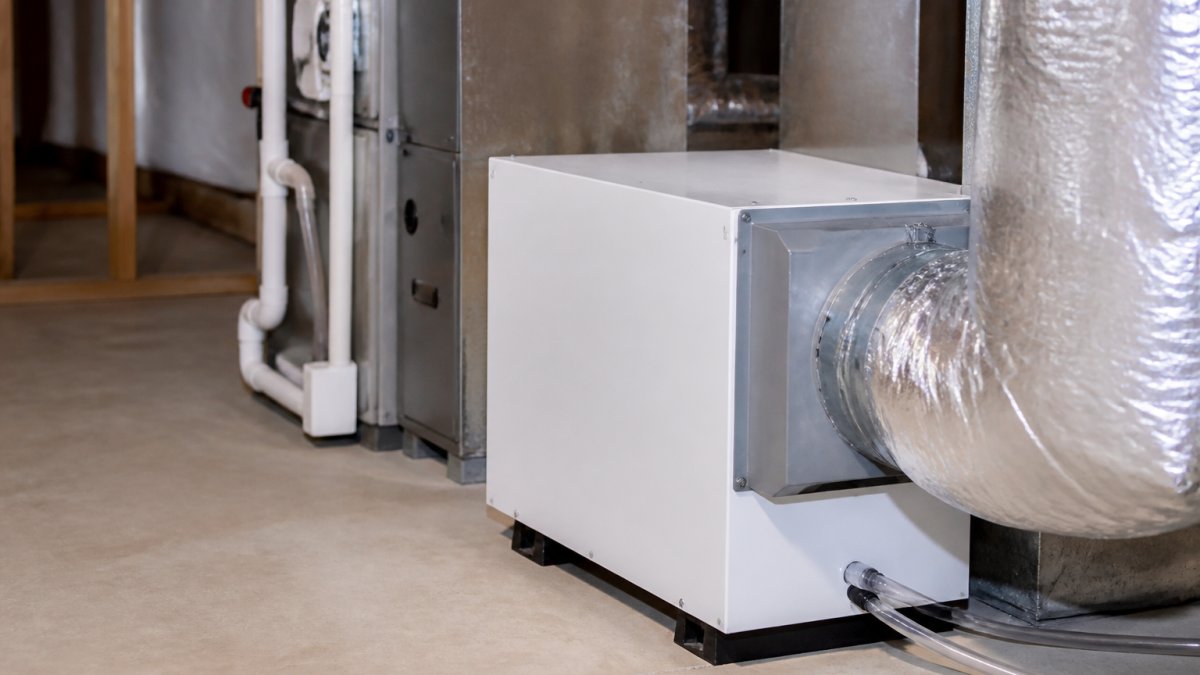
A whole home dehumidifier is a centralized humidity control system that integrates directly into your home's HVAC system to manage moisture levels throughout the entire house. Unlike portable units that treat a single room, a whole home dehumidifier works in tandem with your existing ductwork and air handling equipment to remove excess moisture from return air before it circulates through your home.
The system operates by pulling humid air through your HVAC return ducts, passing it through a dehumidification coil that cools the air below its dew point, and then draining the condensed water through a condensate pump or gravity drainage system. The dried air then travels through your supply air ducts to every room simultaneously. This integrated approach means you're managing relative humidity as a whole-home comfort metric rather than fighting moisture room by room.
Valley View HVAC designs these systems specifically for the Willamette Valley's climate, where seasonal transitions bring significant moisture challenges. A properly sized whole home dehumidifier addresses latent heat load, the energy required to remove moisture, without requiring you to manually monitor and adjust portable units.
Signs You Need a Whole House Dehumidifier

Persistent condensation on windows (especially cooler months) or lingering musty odors indicate relative humidity above 55 percent and active mold growth.
Basements and crawl spaces showing water pooling, efflorescence, or soft drywall indicate active structural damage from excess moisture.
Worsening allergy symptoms, visible mold, or constant portable unit operation indicate your HVAC is overwhelmed by latent heat load.
Whole House Dehumidifier vs. Portable Units
The choice between a whole home dehumidifier and portable units comes down to coverage, convenience, and long-term effectiveness. Each approach has real trade-offs worth understanding.
Portable units are affordable and target specific areas but require constant bucket emptying, filter monitoring, and repositioning. They consume significant energy and add noise.
A whole home dehumidifier integrates into your HVAC, operates silently, maintains consistent humidity automatically, and uses less energy per square foot than multiple portable units.
The trade-off is upfront cost and installation complexity. A whole home system requires professional HVAC integration, possible ductwork modifications, and proper condensate drainage sizing.
For most homes in the Willamette Valley, a whole home dehumidifier is worth the investment if you're dealing with persistent moisture across multiple rooms or if you already run portable units constantly. If moisture is isolated to one basement corner, a portable unit may suffice.
Average Cost of Whole House Dehumidifier Installation
Pricing for a whole home dehumidifier and its professional installation depends on various factors, including the unit's specifications and the complexity of the installation. For current pricing, please schedule a complimentary consultation.
The return on investment can vary significantly based on your local climate and specific home conditions.
Cost Comparison: Dehumidifier vs. Mold Remediation
The strongest financial argument for a whole home dehumidifier emerges when you compare its cost against potential mold remediation expenses. Professional mold remediation for a basement or crawl space typically costs $2,000 to $6,000 for localized contamination, but can exceed $15,000 to $30,000 if mold has spread through wall cavities, HVAC ductwork, or structural framing. A single major mold event, triggered by a wet basement, roof leak, or HVAC condensate backup, can cost more than the entire dehumidifier system. Insurance typically does not cover mold remediation, making prevention through humidity control a direct financial hedge.
Energy Cost Considerations
A whole home dehumidifier may add to annual energy costs, but it can also reduce overall HVAC runtime, potentially offsetting expenses. Homes running multiple portable units may see net energy savings.
Schedule your complimentary consultation →
Installation Complexity and Hidden Costs
Installation costs can vary depending on factors such as ductwork modifications, condensate drainage requirements, and HVAC integration.
Professional installation is essential. DIY work risks voiding warranties and damaging your HVAC system. Professional installation ensures correct sizing, safe integration, and workmanship warranties.
Long-Term Value Beyond Energy Savings
Health and Home Protection Benefits
The real value of a whole home dehumidifier emerges when you consider what excess moisture costs you in health, comfort, and structural integrity.
Integration with Smart Home Systems and HVAC
Modern whole home dehumidifiers can integrate with smart home systems and your existing HVAC thermostat settings, giving you automation and visibility that portable units simply cannot match.
Is a Whole Home Dehumidifier Worth It for Your Home?
Whether a whole home dehumidifier is worth it depends on quantifiable factors: your home's baseline humidity level, the severity and scope of moisture problems, your climate zone's seasonal humidity patterns, and your timeline for staying in the home. Rather than a vague yes-or-no answer, use this decision framework to evaluate your specific situation.
Clear-Cut Cases Where It Makes Financial Sense
- Persistent moisture across multiple rooms: If you're dealing with condensation on windows in more than one room, musty odors throughout the house, or visible mold in multiple locations, the problem is systemic and requires a systemic solution. Portable units cannot address whole-home humidity; they only mask symptoms in individual rooms.
- Basement or crawl space moisture: If your basement shows efflorescence, soft drywall, water staining, or musty odors, structural damage is already occurring. The cost of a whole home dehumidifier can be a fraction of potential mold remediation or structural repair expenses. In this scenario, the dehumidifier is insurance against catastrophic costs.
- Running multiple portable units constantly: If you're operating two or more portable dehumidifiers year-round, their combined energy consumption, filter replacement costs, and maintenance burden can make a whole home system economically competitive over time. You're already spending the money; a whole home system simply redistributes that expense more efficiently.
- Planning to stay 5+ years: A whole home dehumidifier can require several years to achieve positive ROI through energy savings and avoided remediation costs. If you're planning a major renovation, staying long-term, or have young children who will benefit from improved indoor air quality for years, the investment makes sense.
- HVAC system already struggling: If your current system runs constantly during humid months, cannot maintain comfortable humidity levels, or your thermostat shows you're fighting moisture, your HVAC is being overwhelmed by latent heat load. A whole home dehumidifier shares that load and improves overall system performance.
Scenarios Where Portable Units Remain the Better Choice
- Moisture is isolated to one area: If only your basement corner or one bedroom shows moisture problems, and the rest of your home stays comfortable and dry, a portable unit solves the problem at 1/10th the cost. Whole home systems are overkill for localized issues.
- You live in an arid climate: If your outdoor humidity rarely exceeds 50 percent and your home's relative humidity naturally stays below 55 percent, you don't have a moisture problem. A whole home dehumidifier would run rarely and never achieve positive ROI.
- You're renting or planning to move within 3 years: The installation cost cannot be recovered through energy savings or avoided repairs in that timeframe. Portable units are the only economically rational choice for short-term occupancy.
- Your HVAC system is very old or undersized: If your HVAC system is near end-of-life or significantly undersized for your home, integrating a whole home dehumidifier adds complexity and cost. In this case, replacing the HVAC system with a modern, efficient unit (which handles humidity better) may be the better investment.
Climate-Zone Specific ROI Timeline
- Humid Southeast (Louisiana, Mississippi, Florida, Georgia): Outdoor humidity regularly exceeds 70 percent May-September. Whole home dehumidifiers typically achieve ROI in 5-7 years through energy savings, avoided mold remediation, and HVAC longevity. The investment is financially justified for most homeowners.
- Moderate Humidity (Mid-Atlantic, Midwest, Pacific Northwest): Seasonal humidity swings create moisture challenges during spring and fall transitions, but winters and parts of summer are naturally drier. ROI extends to 7-10 years. The investment makes sense if you have visible moisture problems or are running portable units constantly.
- Arid West (Arizona, Nevada, Utah, New Mexico): Low outdoor humidity means whole home dehumidifiers rarely operate and never achieve positive ROI. Portable units for specific problem areas are the only economically rational choice.
The Health and Comfort Factor
Making Your Decision
Frequently Asked Questions
How much will my electric bill increase with a whole home dehumidifier?
Operating costs depend on your home's size, current humidity levels, and how often the system runs. A whole home dehumidifier integrated with your HVAC system typically uses less energy than running multiple portable units because it works through your existing ductwork and can coordinate with your air conditioning system. Most homeowners see modest increases in energy consumption, though the exact amount varies by climate and usage patterns. Contact a local HVAC professional for an estimate based on your specific situation.
What are the downsides of a whole home dehumidifier?
The primary drawbacks include higher upfront installation costs compared to portable units, the need for professional installation, and ongoing maintenance requirements like filter replacement and condensate pump servicing. A whole home system also requires adequate ductwork and HVAC capacity. If your home has poor air infiltration or an undersized HVAC system, the dehumidifier may work harder, increasing energy consumption. Additionally, you lose flexibility, you cannot move the system to different areas of your home as needs change.
Does a whole home dehumidifier replace an air conditioner?
No. While air conditioning removes some moisture as a byproduct of cooling, it is not designed to handle high humidity levels independently. A whole home dehumidifier works alongside your AC system to specifically target moisture control and maintain proper relative humidity levels, typically between 30-50%. In humid climates or during seasonal transitions, your air conditioner alone cannot achieve the comfort and air quality benefits that a dedicated dehumidification system provides. The two systems complement each other.
How big of a dehumidifier do I need for my home?
Sizing depends on your home's square footage, current humidity levels, climate, and how well sealed your building envelope is. A professional HVAC assessment measures your home's moisture load and determines the right capacity to maintain healthy relative humidity. Undersized systems struggle to keep up, while oversized ones cycle on and off inefficiently. An HVAC specialist can calculate the latent heat load your home generates and recommend the appropriate dehumidification capacity for your specific conditions.
A whole home dehumidifier is a significant investment, but for homes struggling with persistent moisture, it delivers protection that portable units simply cannot match. Valley View HVAC specializes in designing and installing dehumidification systems tailored to the Willamette Valley's unique climate, ensuring your home stays comfortable, healthy, and protected for years to come. Get started with a free consultation to see if a whole home dehumidifier is right for your home.