 comparison
Woodward Heating Alternatives for Residential Homes
Table of Contents
- Woodward Heating Alternatives for Residential: A Complete Comparison
- Heat Pump vs Wood Stove: Which Alternative Fits Your Home?
- Residential Heat Pump Installation Cost: What Homeowners Pay
- Electric, Gas, and Wood Heating: How the Main Options Compare
- How to Choose an HVAC Contractor for Your New System
- Heating System Replacement Checklist: Repair or Replace?
- Frequently Asked Questions
Last Updated: October 16, 2026
Woodward Heating Alternatives for Residential: A Complete Comparison
Homeowners searching for Woodward heating alternatives for residential properties are usually chasing the same thing: dependable warmth through a cold snap without a system that quits in year eight. This guide compares the main heating alternatives available to homeowners, from heat pumps to wood stoves, so you can match a system to your house, your climate, and your budget.
The case for looking beyond a single contractor is simple. A furnace that fits one home can be the wrong call for the house next door, and the difference usually comes down to insulation, ductwork, and how the home handles winter humidity rather than brand loyalty.
Below, we break down how the leading options compare on cost, comfort, and maintenance, along with a framework for choosing an installer and deciding whether to repair or replace.
Heat Pump vs Wood Stove: Which Alternative Fits Your Home?
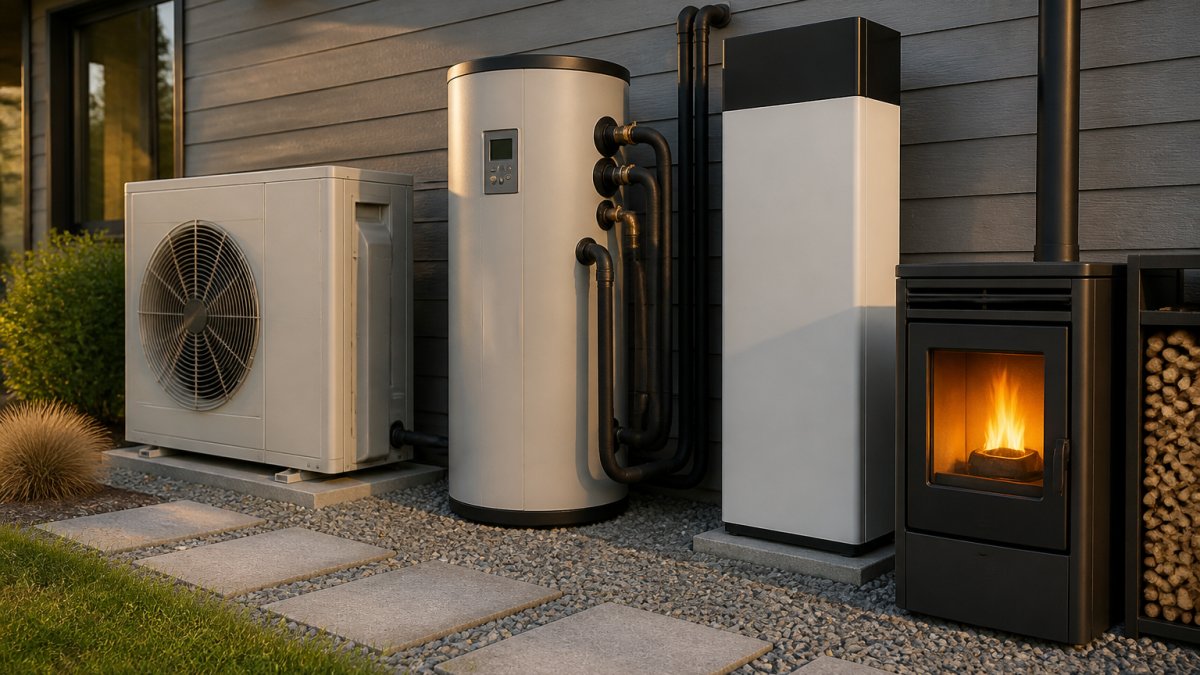
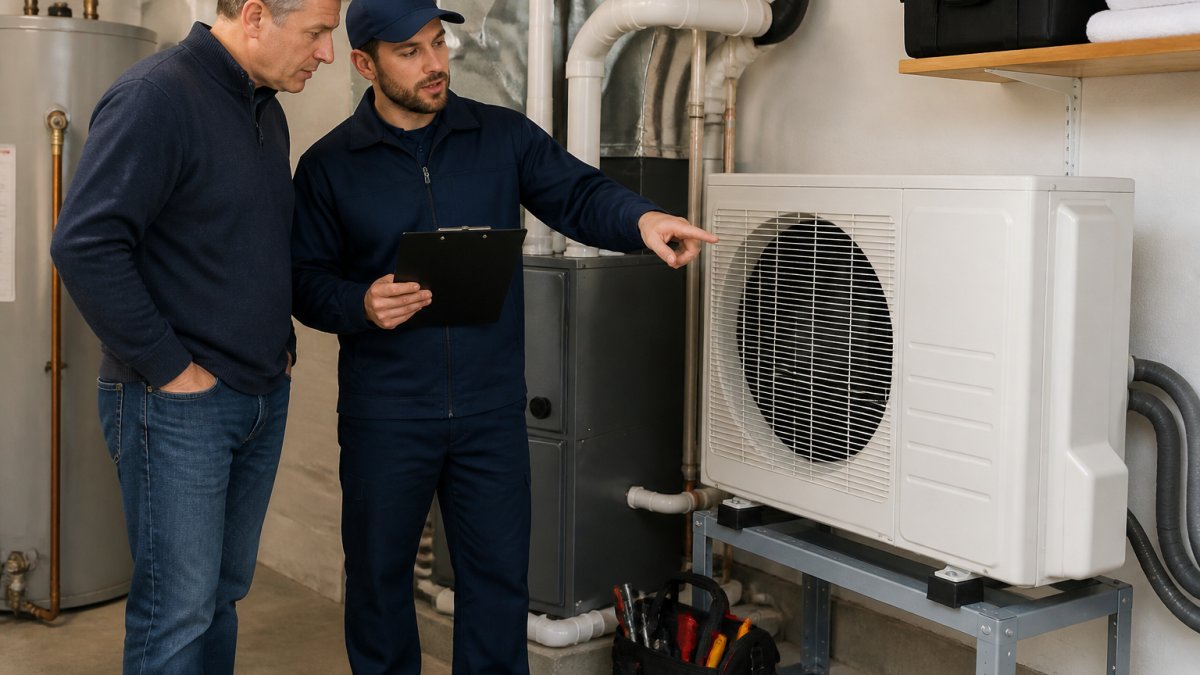
A heat pump wins for most households that want steady, low-effort heat, while a wood stove suits homes with access to cheap fuel and a willingness to tend a fire daily. The right pick depends on how much hands-on work you want and whether your home already has ductwork.
A heat pump is an electric system that moves heat rather than generating it, which is why it can heat and cool a home from one unit. Modern cold-climate models keep working through freezing temperatures, though output drops as it gets colder.
A wood stove burns split logs or manufactured logs for radiant heat. It delivers strong warmth in the room it sits in, but heat distribution to the rest of the house is uneven without a fan or ducted setup.
- Heat pump: set-and-forget operation, doubles as air conditioning, needs a clear outdoor unit
- Wood stove: low fuel cost if you source wood locally, requires daily loading, ash removal, and chimney care
- Hybrid approach: many homeowners pair a heat pump with a stove for backup during outages
The trade-off nobody mentions upfront: a wood stove adds indoor air quality considerations, so proper venting and a certified installation matter as much as the stove itself.
Residential Heat Pump Installation Cost: What Homeowners Pay
Residential heat pump installation cost depends on system size, whether ductwork already exists, the efficiency tier you select, and how much electrical work the home needs. Rather than publish a single flat number that will be wrong for most houses, it helps to understand what drives a quote up or down.
These are planning ranges, not quotes. Two homes of identical square footage can differ by thousands of dollars based on insulation, window performance, ceiling height, and how accessible the mechanical space is.
What moves the price up or down:
- Home size and heating load: a larger or leakier home needs a bigger system, which raises equipment cost
- Ductwork condition: sealing and balancing existing ducts is cheaper than adding new runs; a ducted system installed into a home with no ducts is a different project entirely
- Efficiency tier: higher-efficiency and cold-climate-rated units cost more upfront but can lower monthly bills, and they are often the models that qualify for the largest incentives
- Electrical work: older panels may need an upgrade or a dedicated circuit to support the new system, which is a separate line item
- Line set and placement: long refrigerant runs, second-floor outdoor unit placement, or a difficult pad location all add labor
- Rebates and incentives: federal tax credits, state programs, and utility rebates can offset a meaningful share of the cost, and eligibility rules change, so confirm current terms before you buy
Operating cost, not just sticker price. The number that matters over a system's life is the cost to run it. A heat pump's efficiency is expressed as a coefficient of performance (COP) or a heating seasonal performance factor (HSPF2). A higher HSPF2 means more heat delivered per unit of electricity. In practice, a well-installed cold-climate heat pump in a reasonably tight home can be competitive with or cheaper than propane or oil in many markets, but the comparison flips depending on local electricity and fuel prices, so run the numbers for your area rather than assuming.
A simple payback frame.
U.S. Department of Energy guidance on heat pump systems and efficiency
Electric, Gas, and Wood Heating: How the Main Options Compare
Each fuel type carries its own trade-offs in operating cost, comfort, and upkeep. The table below summarizes how the main residential heating alternatives stack up.
| System | Fuel | Best For | Upkeep |
|---|---|---|---|
| Heat pump | Electricity | Mild-to-cold climates, homes with ducts | Filter changes, annual service |
| Electric furnace | Electricity | Backup heat, mild winters | Low, filter changes |
| Gas furnace | Natural gas | Fast, strong heat in cold snaps | Annual inspection |
| Oil furnace | Heating oil | Homes without gas access | Fuel delivery, annual tune-up |
| Wood stove | Cordwood | Rural homes, backup heat | Daily loading, chimney cleaning |
| Pellet stove | Wood pellets | Consistent automated heat | Weekly ash removal, fuel storage |
| Radiant floor | Electricity or hydronic | Targeted comfort, additions | Minimal once installed |
| Solar-assisted | Sun plus backup | Reducing long-term costs | Panel and system checks |
Gas and oil furnaces deliver heat quickly but tie you to fuel prices and a combustion system that needs yearly service. Electric resistance heat is simple and cheap to install but costs more to run. Wood and pellet systems lower fuel cost if you have a supply, at the price of physical labor.
How to Choose an HVAC Contractor for Your New System
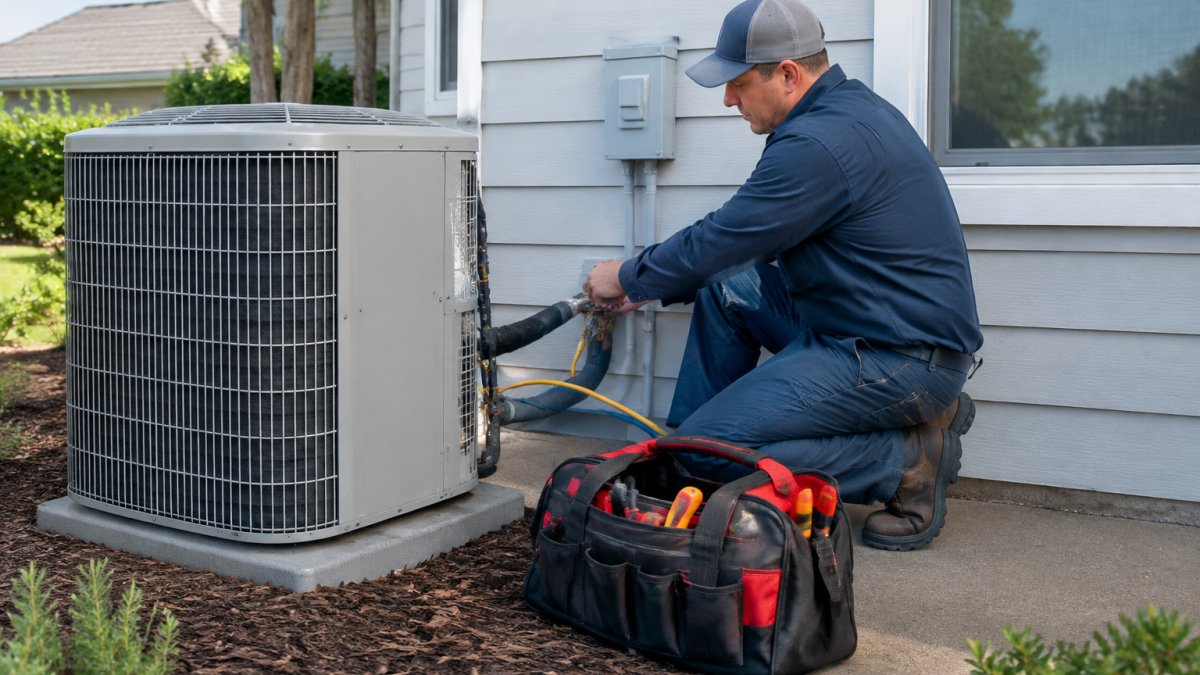
Choosing an HVAC contractor comes down to licensing, warranty terms, and whether the company will still answer the phone in year three. A low bid means nothing if the installer disappears after the invoice clears.
Provider types, compared neutrally:
Schedule your complimentary consultation →
| Provider type | Strengths | Watch-outs |
|---|---|---|
| Full-service HVAC company | Design, install, and service under one roof; workmanship warranty | May steer you toward the brands it stocks; pricing varies widely |
| Manufacturer-authorized dealer | Factory training, often stronger equipment warranty terms | Tied to one brand; may not quote alternatives |
| Independent installer or small crew | Often lower overhead and competitive pricing | Verify licensing, insurance, and warranty backing carefully |
| Big-box or national retail installer | Convenient financing and scheduling | Subcontracted labor; service after install can be inconsistent |
| Handyman or general contractor | Fine for minor work | Usually not the right fit for load calculations, refrigerant, or permits |
| Utility or co-op program installer | May unlock rebates and vetted-contractor lists | Limited to participating contractors and program rules |
Service-area and coverage questions to ask. A contractor who lists your town is not the same as one who services it routinely. Ask how often crews are in your area, what the emergency-response expectation is during a cold snap, and whether after-hours calls go to a local technician or a distant call center.
Licensing, bonding, and insurance, verify, don't assume. Licensing requirements for HVAC work vary by state and sometimes by municipality. Ask for the license number and verify it directly with the state licensing board or the local permitting office rather than trusting a logo on a truck.
Warranties: two separate things. Every quote should distinguish the manufacturer's equipment warranty from the installer's workmanship warranty. Equipment warranties cover parts (and sometimes the compressor) but rarely cover labor. Workmanship warranties cover the installation itself, the part most likely to fail early. Get both in writing, with the duration and what voids them spelled out.
A pre-signing checklist:
- Verify the license, bonding, and insurance numbers directly with the state board or local permitting office
- Ask for the workmanship warranty in writing, separate from the manufacturer warranty
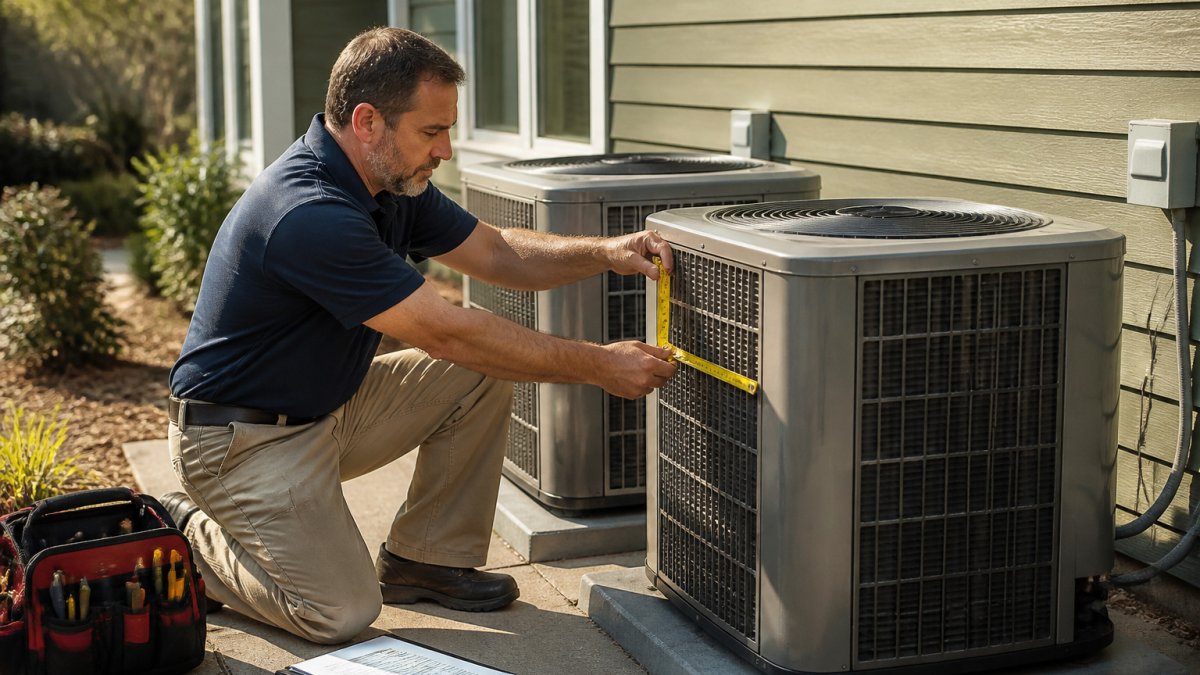
- Confirm they perform a Manual J load calculation, not just a square-footage guess
- Get an itemized quote listing equipment model numbers, labor, permits, and any trip or diagnostic fees
- Ask how emergency calls are handled during extreme weather and who actually answers
- Confirm they pull the required permits, an installer who offers to skip permits is a red flag
- Check whether they service your area regularly, not just on installation day
- Ask for two or three recent local references and, if possible, a photo of a completed install
Red flags. Cash-only demands, pressure to sign the same day, no physical business address, quotes given over the phone without a site visit, and any reluctance to put scope or warranty terms in writing. None of these guarantee a bad outcome, but each one raises the risk.
Financing and incentives. Many contractors offer financing through a third-party lender, and some utility or state programs offer low-interest loans for efficiency upgrades. Compare the financing's annual percentage rate against a home equity option, and confirm whether rebates are applied at the point of sale or reimbursed after the fact, the timing affects your cash flow.
U.S. Department of Energy guidance on selecting heating and cooling contractors
Heating System Replacement Checklist: Repair or Replace?
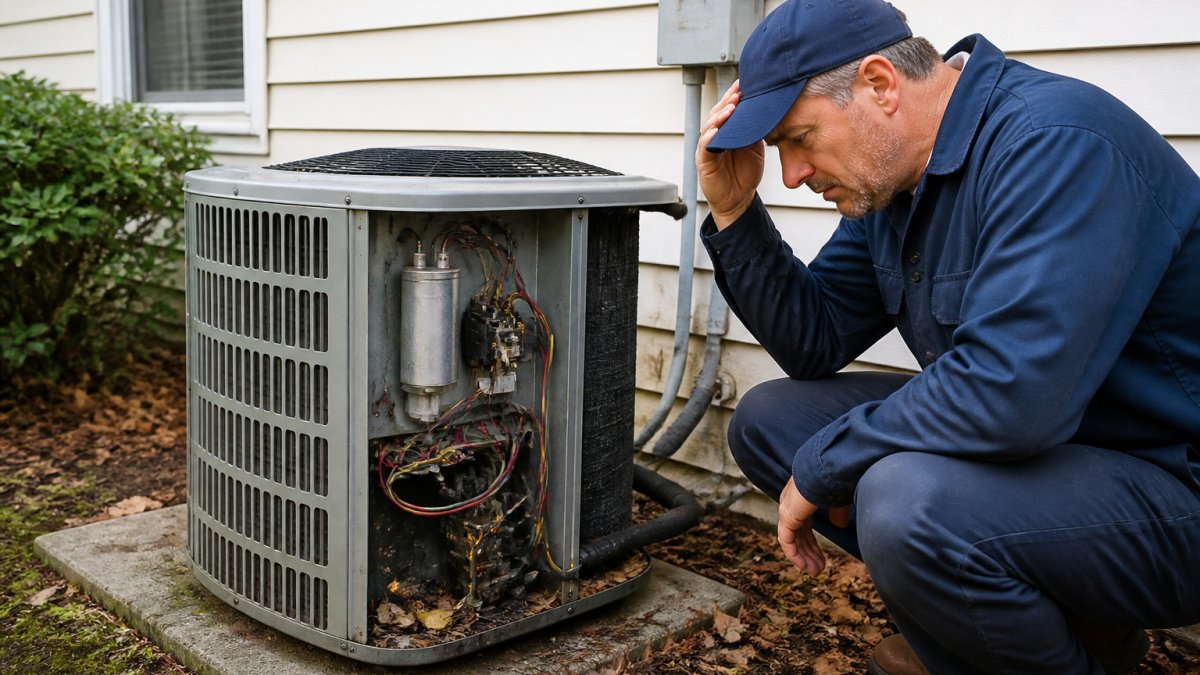
Replace your system when repair costs approach half the price of a new unit, when it needs frequent repairs, or when it no longer keeps the house comfortable. Otherwise, a repair usually makes more sense.
Work through this decision framework:
- Age: if the system is past its expected service life, weigh replacement against another repair
- Repair frequency: two or more breakdowns in a single season point toward replacement
- Comfort: rooms that never reach temperature suggest the system is undersized or failing
- Efficiency: an older unit that runs constantly can cost more to operate than a newer one
- Refrigerant and parts: if parts are hard to source, replacement becomes the practical choice
For homeowners comparing options, the honest answer is that no single system wins everywhere. A heat pump suits most homes with ducts, a stove suits rural properties with fuel access, and radiant floor heating suits additions and remodels. Match the system to the house, not the other way around.
ENERGY STAR guidance on efficient home heating
Frequently Asked Questions
What are the best alternatives to Woodward for residential heating?
Homeowners looking beyond Woodward can choose from heat pumps, wood stoves, pellet systems, electric furnaces, and radiant floor heating. Each option has trade-offs in upfront cost, efficiency, and maintenance. A cold-climate heat pump works well for most homes, while wood stoves suit properties with access to seasoned firewood. Compare installation quotes from local contractors and factor in available rebates before deciding.
Are heat pumps a good alternative to wood heat?
Heat pumps deliver consistent, hands-off warmth and can also cool your home in summer, which wood stoves cannot do. Modern cold-climate models maintain capacity well below freezing. Wood stoves offer lower operating costs if you source cheap or free firewood, but they require more labor, chimney maintenance, and create indoor air quality concerns. Many homeowners use a heat pump as the primary system with a wood stove for supplemental heating during extreme cold.
How much does it cost to install a residential heat pump?
Residential heat pump installation cost varies widely based on system size, efficiency rating, ductwork condition, and labor rates in your area. Federal tax credits and local utility rebates can reduce your out-of-pocket expense. Request itemized quotes from at least three licensed contractors and confirm whether the price includes any needed duct sealing or electrical upgrades.
What should I compare when choosing a residential heating contractor?
Check licensing, bonding, and insurance status first. Ask for proof of manufacturer certifications and confirm the warranty covers both parts and labor. Request references from recent installations similar to yours and verify the contractor pulls required permits. Compare written quotes line by line: equipment model numbers, labor scope, and cleanup should all be itemized. A contractor who offers a written workmanship warranty and transparent pricing is a safer choice than one who only quotes a lump sum.
The hardest part of replacing a heating system is not picking the equipment. It is finding an installer who sizes it correctly, stands behind the work, and shows up when the temperature drops. Valley View HVAC designs systems for the local climate, backs installations with a 2-year workmanship warranty, and offers community discounts for seniors, veterans, educators, and first responders. Schedule your complimentary consultation and get a system built for your home.