 blog
What Are the Best High Efficiency Heating Systems for 2026?
Last Updated: November 7, 2026
Quick Summary
The best high efficiency heating systems for 2026 are cold-climate heat pumps, condensing gas furnaces, and dual-fuel systems that pair both. Choose a cold-climate heat pump for mild, wet climates where you also want cooling, and a condensing gas furnace where natural gas is available and deep cold snaps matter.
- Variable-speed or inverter-driven compressors match output to demand instead of cycling on and off.
- AFUE measures furnace fuel efficiency, while HSPF2 and SEER2 rate heat pump heating and cooling.
- Compare operating cost using your utility rates, since AFUE and HSPF2 are not interchangeable.
- Insist on a room-by-room Manual J load calculation rather than sizing by square footage alone.
- Backup heat is a safety net, not a primary strategy for cold-climate heat pumps.
Table of Contents
- What Makes a Heating System High Efficiency in 2026
- Heat Pump vs. Gas Furnace: Which Wins in a Mild, Wet Climate
- Heating System Efficiency Ratings Explained: AFUE, SEER2, and HSPF2
- High-Efficiency Heating System Cost: What Drives the Price
- Heat Pump Installation and Sizing: Getting the Fit Right
- Cold-Weather Performance and Backup Heat in the Willamette Valley
- Schedule Your Complimentary High-Efficiency Heating Consultation
- Frequently Asked Questions
What Makes a Heating System High Efficiency in 2026
High-efficiency heating systems convert most of the energy they consume into usable heat for your home, and in 2026 that definition has tightened around three technologies: cold-climate heat pumps, condensing gas furnaces, and dual-fuel systems that pair both. Valley View HVAC sizes and installs these systems for the mild, wet winters of the Willamette Valley, where the right match matters more than the biggest number on the box.
The core metric is how much heat you get per unit of energy. A standard furnace wastes a meaningful share of its fuel up the flue. A condensing unit captures that waste. An air-source heat pump sidesteps combustion entirely by moving heat rather than creating it, which is why seasonal performance ratings now carry as much weight as raw heating capacity.
Three things separate a genuinely high-efficiency heating system from a marketing claim:
- Variable-speed or inverter-driven compressors that match output to demand instead of cycling on and off
- A verified efficiency rating (AFUE for furnaces, HSPF2 and SEER2 for heat pumps) rather than a generic "energy star" badge
- Correct sizing and ductwork, because a top-tier unit installed wrong performs like a mid-tier one
That last point is where most installations go sideways. We will come back to it.
Heat Pump vs. Gas Furnace: Which Wins in a Mild, Wet Climate
For most homes in a mild, wet climate, a cold-climate heat pump wins on year-round operating cost and comfort, while a gas furnace wins on upfront simplicity and raw cold-snap output.
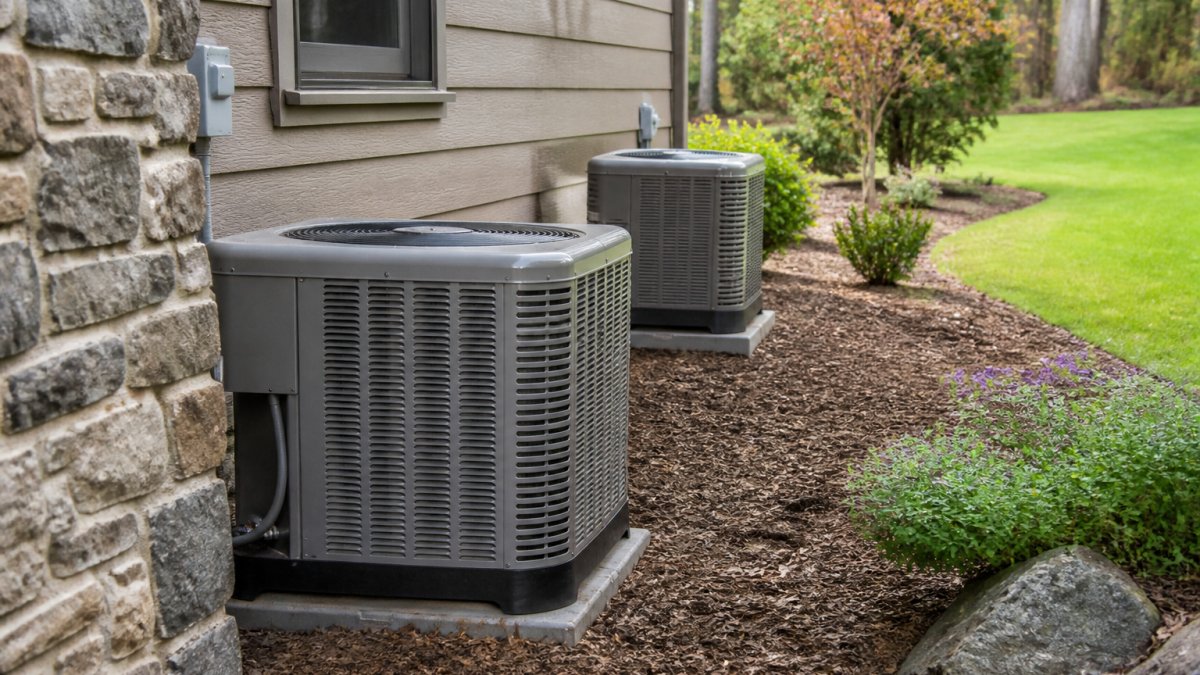
A whole-house heat pump handles both heating and cooling from one unit, which is a real advantage in a region where summers keep getting warmer. A furnace only heats, so you still need a separate cooling system.
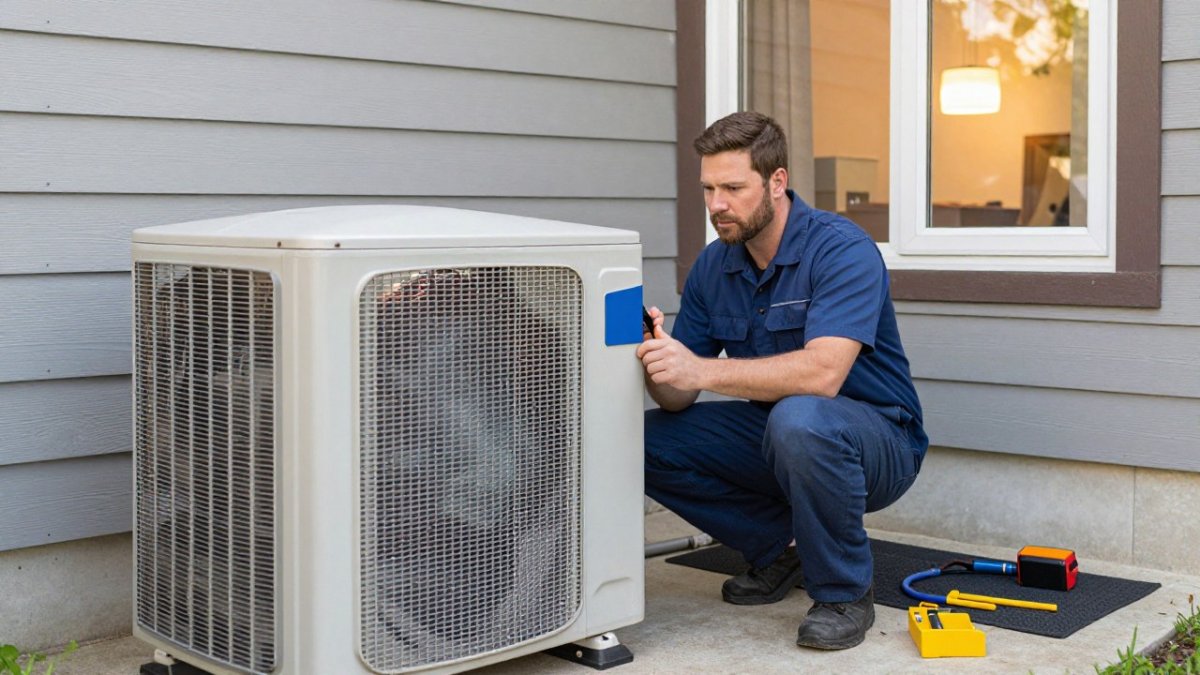
Where the gas furnace still earns its place: existing natural gas infrastructure, very cold design days, and homeowners who want the lowest possible equipment cost going in.
If you are leaning toward a heat pump, our heat pump service in Salem covers cold-climate installs and maintenance. Leaning gas? Our furnace installation in Salem walks through gas and electric options. The comparison below summarizes how the two stack up.
| Factor | Cold-Climate Heat Pump | Gas Furnace |
|---|---|---|
| Heating and cooling | Both, one system | Heating only |
| Efficiency metric | HSPF2, SEER2, COP | AFUE |
| Cold-weather output | Strong with backup heat | Strong down to design temp |
| Fuel source | Electricity | Natural gas |
| Best for | Mild winters, adding cooling | Existing gas, deep cold snaps |
Best for: homeowners who want one system for year-round comfort. Skip if: your electrical panel cannot support the load without an upgrade.
Heating System Efficiency Ratings Explained: AFUE, SEER2, and HSPF2
Heating system efficiency ratings are standardized scores that let you compare equipment on equal footing, and in 2026 the three that matter are AFUE, SEER2, and HSPF2. Each measures a different thing, so comparing a furnace's AFUE to a heat pump's HSPF2 is an apples-to-oranges mistake. Understanding what each rating actually measures is the difference between a useful comparison and a marketing number.
AFUE (Annual Fuel Utilization Efficiency) measures how much of a furnace's fuel becomes heat over a full heating season.
SEER2 (Seasonal Energy Efficiency Ratio 2) rates cooling efficiency for heat pumps and air conditioners. It is total cooling output over a season divided by total electricity input, under updated test conditions that better reflect real ducted installations.
HSPF2 (Heating Seasonal Performance Factor 2) rates heating efficiency for heat pumps over a full heating season, again under updated test conditions.
COP (Coefficient of Performance) is the instant snapshot: heat delivered divided by energy consumed at a given outdoor temperature.
Why the ratings are not interchangeable. AFUE is a percentage of fuel converted; HSPF2 and SEER2 are ratios of output to electricity input over a season.
The takeaway: compare like with like. Furnaces against furnaces on AFUE, heat pumps against heat pumps on HSPF2 and SEER2, and both against your actual utility rates when the decision is cost. Mixing the two tells you nothing useful.
Watch out: a sales sheet that leads with a single efficiency number without stating the metric, the test condition, and the system type is telling you less than it appears to.
High-Efficiency Heating System Cost: What Drives the Price
The cost of high-efficiency heating systems depends on equipment tier, home size, ductwork condition, electrical upgrades, and installation complexity, not on a single sticker price. Two homes buying the same unit can land far apart once the install is scoped.
Here is what actually moves the number:
- Equipment tier. Variable-speed and inverter units cost more than single-stage systems. A cold-climate heat pump carries a premium over a standard heat pump, and a condensing furnace carries a premium over an 80% AFUE model.
- Sizing and load calculation. A proper Manual J load calculation takes time, and it prevents the expensive mistake of oversizing.
- Ductwork. Sealing, repairing, or redesigning ducts for a heat pump is often the hidden line item. Duct replacement can rival the equipment cost in older homes.
- Electrical. Heat pumps may need a panel or service upgrade; furnaces may need gas line work or venting changes.
- Distribution type. A ducted system and a ductless system carry different install profiles, and ductless multi-zone setups multiply the number of indoor heads.
Total cost of ownership and payback. A high-efficiency system usually costs more upfront and less per month. Whether that trade pays back depends on three variables: your current fuel price, your home's heating load, and how many years you stay.
To estimate payback yourself, gather three numbers: your annual heating spend from 12 months of utility bills, the modeled annual energy use of the proposed equipment (the contractor's load calculation plus the equipment's efficiency rating), and your local energy prices. Divide the installed cost difference by the annual energy savings. That quotient is your simple payback in years. It ignores maintenance, financing, and rate changes, but it is honest enough to compare two bids.
Maintenance is part of ownership too. Heat pumps and condensing furnaces both need annual service, and condensing furnaces need condensate management that 80% furnaces do not.
Pricing depends on your home, so contact Valley View HVAC for current prices or a quote after a walkthrough. Ask any installer to break the estimate into equipment, labor, and any duct or electrical work, and get that in writing.
Watch out: the cheapest bid often skips the load calculation and duct inspection. That shortcut is exactly how a high-efficiency unit ends up underperforming and cycling hard, and how a payback calculation that looked good on paper never materializes.
Heat Pump Installation and Sizing: Getting the Fit Right
Correct heat pump installation starts with a room-by-room load calculation, not a rule of thumb based on square footage. Oversized equipment short-cycles, dehumidifies poorly, and wears out faster; undersized equipment cannot keep up on the coldest nights. Getting the fit right is the difference between a system that lasts and one that limps.
Sizing accounts for insulation, window area, air leakage, and the local design temperature. In a wet climate, latent load (moisture removal) matters as much as sensible heat, which is why temperature consistency and humidity control go hand in hand.
If you want the full method, our guide to HVAC system sizing for Oregon homes breaks down the load calculation step by step. The short version: insist on a Manual J, verify the ductwork can handle the airflow, and confirm the electrical service supports the unit before signing.
Common mistakes we see:
- Sizing by square footage alone
- Reusing failing ductwork under a new heat pump
- Skipping the combustion or electrical safety check on the existing setup
Cold-Weather Performance and Backup Heat in the Willamette Valley
Cold-climate heat pumps hold their heating capacity well into low outdoor temperatures, and backup heat covers the handful of design days when they need help. In the Willamette Valley, that backup is usually electric resistance heat or a gas furnace in a dual-fuel system. The goal is a system that stays comfortable without leaning on expensive backup heat for weeks at a time.
Backup heat is a safety net, not a primary strategy. If your system runs on strip heat constantly, something is wrong with sizing, refrigerant charge, or ductwork. A properly matched cold-climate heat pump should carry the load on its own most of the winter.
Reliability comes down to maintenance. Pre-season checks catch refrigerant issues, dirty coils, and failing components before a cold snap exposes them. For homeowners in the outer communities, our furnace maintenance in Willamina includes pre-winter preventative maintenance and combustion analysis, which matters for anyone running a gas furnace as backup.
Watch out: a heat pump that ices over repeatedly or never seems to recover is telling you something. Get it diagnosed rather than cranking the thermostat.
Schedule Your Complimentary High-Efficiency Heating Consultation
The best high-efficiency heating system in 2026 is the one sized, installed, and maintained for your specific home, and that decision deserves a real conversation rather than a guess from a spec sheet. We would rather walk your home, run the numbers, and tell you honestly whether a heat pump, a furnace, or a dual-fuel setup fits.
Valley View HVAC brings over 20 years of combined construction trades experience, full licensing, bonding, and insurance, and a 2-year workmanship warranty backed by manufacturer warranties. We offer community discounts for veterans, educators, and first responders. When you are ready to move, our team can install a high-efficiency furnace or scope a heat pump for your home.
The choice between a heat pump and a furnace is not really about which technology is newer. It is about which one fits your house, your ductwork, and your budget. Valley View HVAC designs systems for the Willamette Valley climate specifically, sizes them correctly, and stands behind the install with a 2-year workmanship warranty and community pricing for veterans, educators, and first responders. Get started with Valley View HVAC and schedule your complimentary high-efficiency heating consultation.
Frequently Asked Questions
Are heat pumps more efficient than gas furnaces?
For most homes, yes. A cold-climate air-source heat pump can deliver two to three units of heat for every unit of electricity it uses, while a high-efficiency condensing furnace tops out near 98% AFUE. In a mild climate like the Willamette Valley, that gap usually shows up as lower winter operating costs. A dual-fuel system pairs both so the heat pump handles most days and the furnace covers deep cold snaps.
Is there a tax credit for high-efficiency heating equipment in 2026?
Federal incentives have shifted since the Inflation Reduction Act credits, so eligibility for 2026 depends on the equipment and program status at the time of purchase. Qualifying heat pumps have historically needed to meet minimum SEER2 and HSPF2 thresholds. Ask your installer for the AHRI certificate that documents the rating, and confirm current federal and state programs before you sign.
How much does a high-efficiency heating system cost?
High-efficiency heating system cost depends on system type, home size, ductwork condition, and whether you need electrical upgrades for a heat pump. A simple furnace swap costs far less than a full heat pump conversion with new lines and a thermostat. Valley View HVAC provides itemized quotes so you can see equipment, labor, and any add-ons before committing, rather than a single bundled figure.
How do I choose the right size heating system for my home?
Proper heat pump installation and sizing starts with a Manual J load calculation, not a square-footage guess. That calculation accounts for insulation, window area, air leakage, and local design temperatures. An oversized system short-cycles, which hurts efficiency and humidity control in a damp climate. Ask for the load calculation in writing and compare it to the equipment's rated capacity at your design temperature.