 how-to
What Does HVAC Workmanship Warranty Cover? A Guide
Table of Contents
- What an HVAC Workmanship Warranty Actually Covers
- HVAC Labor Warranty vs Manufacturer Warranty: Key Differences
- Average HVAC Workmanship Warranty Length
- What Voids an HVAC Installation Warranty
- How to File a Workmanship Warranty Claim
- Documentation Checklist and Transferability
- Frequently Asked Questions
Last Updated: October 7, 2026
What an HVAC Workmanship Warranty Actually Covers
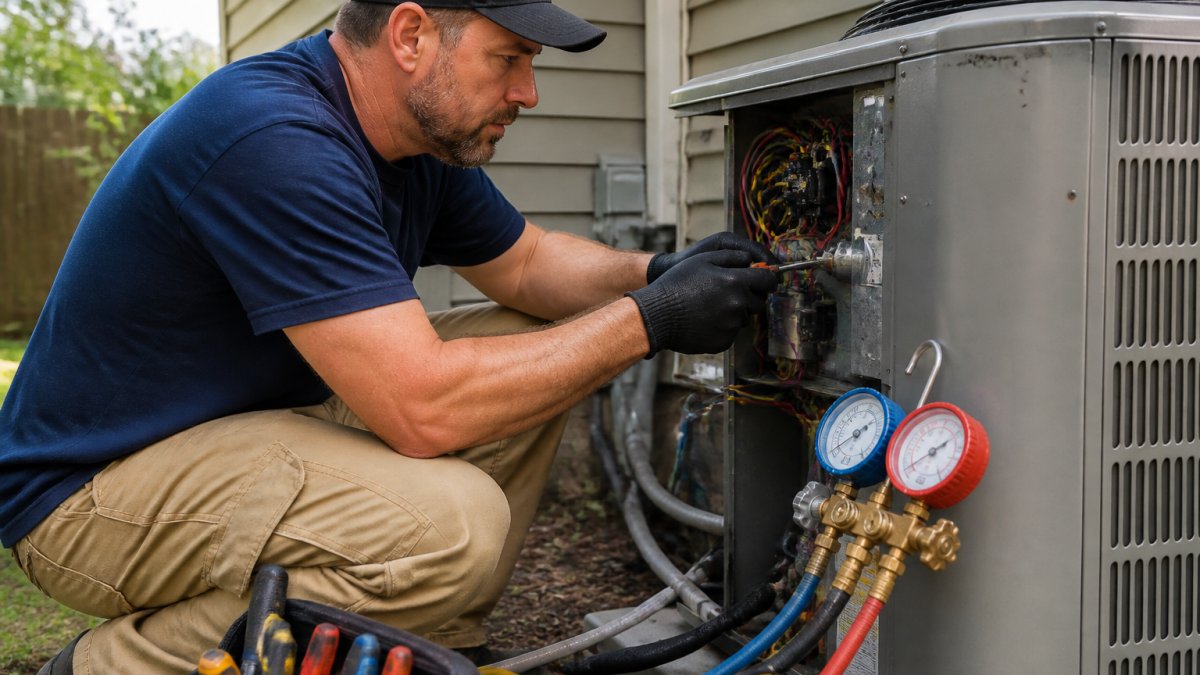
An HVAC workmanship warranty covers the quality of the installation itself, not the equipment. According to the U.S. Department of Energy's guide to home heating and cooling, most premature HVAC failures trace back to installation problems rather than manufacturing defects.
At Valley View HVAC, we back every installation with a 2-year workmanship warranty. Below, we break down what an HVAC workmanship warranty covers, what it excludes, and how to file a claim.
Installation Defects and Improper Installation
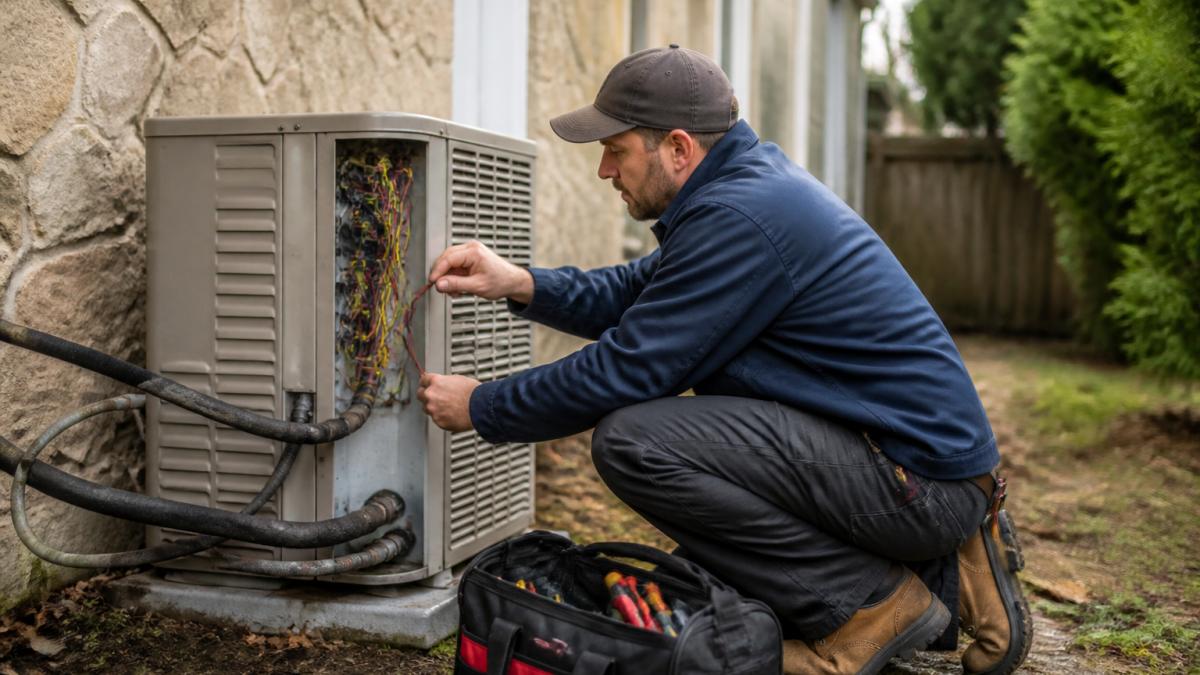
Installation defects are flaws in how the system was put together, not in the parts themselves. They show up in predictable places:
- Refrigerant leaks from poorly brazed line sets
- Ductwork that leaks at the joints and kills system efficiency
- Loose or undersized electrical connections
- Equipment not leveled or not charged to spec
- Condensate drains pitched the wrong way
These problems often stay hidden for a year or more. By the time the system fails, the installer is long gone. A workmanship guarantee keeps them on the hook.
The Difference Between Workmanship and Labor Coverage
Workmanship and labor coverage are not the same thing, and this trips up many homeowners.
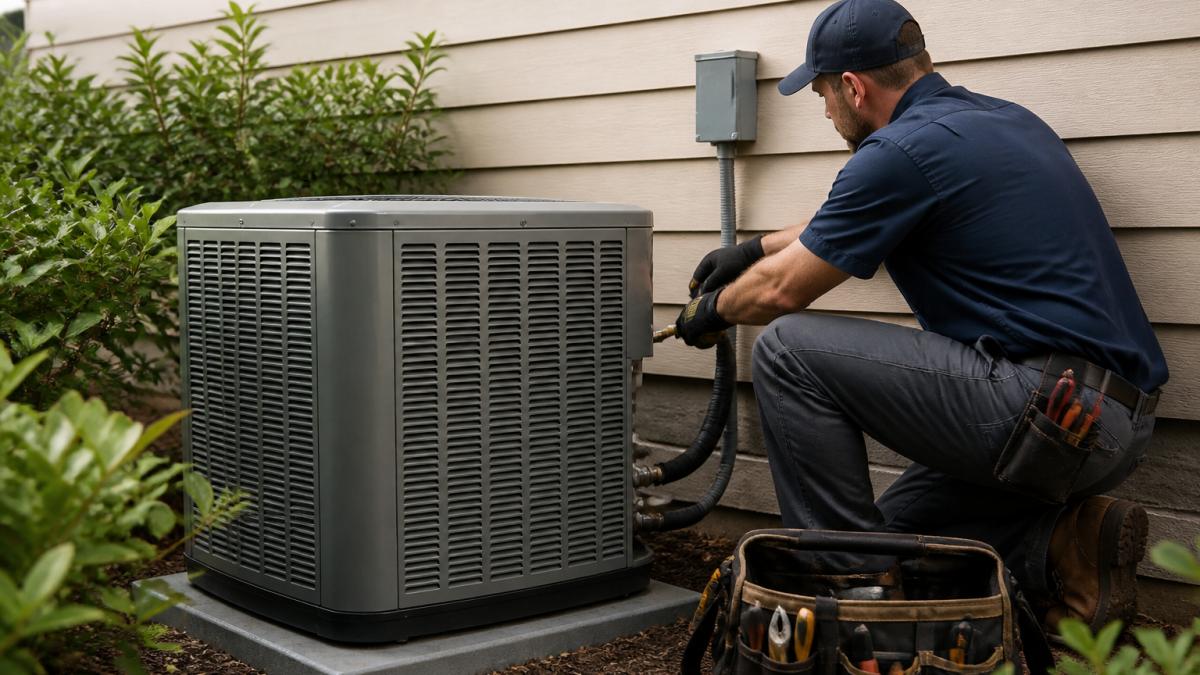
Workmanship warranty means the installer stands behind the quality of their work: the fit, the seal, the wiring, the commissioning.
Labor warranty usually means the installer covers the hours needed to diagnose and repair a covered problem.
Some companies treat these as one. Others split them.
HVAC Labor Warranty vs Manufacturer Warranty: Key Differences
The HVAC labor warranty versus manufacturer warranty distinction comes down to who is responsible and for what. Manufacturer warranties cover parts; labor warranties cover the work. They run on different clocks, and one does not replace the other.
Here is how they stack up:
| Coverage Type | Covers | Provided By | Typical Trigger |
|---|---|---|---|
| Manufacturer warranty | Parts, compressor, heat exchanger | Equipment maker | Component failure |
| Workmanship warranty | Installation quality | Installing contractor | Improper installation |
| Labor warranty | Diagnostic and repair hours | Installing contractor | Covered repairs |
| Service agreement | Maintenance and tune-ups | Contractor | Preventative schedule |
What Manufacturer Warranties Cover
Manufacturer warranties cover component failure. If the compressor dies or the heat exchanger cracks, the maker replaces the part, but rarely the labor to swap it out, the shipping, or the refrigerant.
That gap is where homeowners get surprised. A "10-year warranty" sounds bulletproof until you learn the part is free and the install is not.
What Labor Warranties Cover
Labor warranties cover the hands-on work: when a covered repair needs a technician, this warranty pays for their time. Many contractors offer a standard labor window on new installs, with longer terms tied to a maintenance plan.
The catch: labor coverage usually requires that you keep up with preventative maintenance. Skip your tune-ups, and the coverage can go away.
Average HVAC Workmanship Warranty Length
Most HVAC workmanship warranties run one to five years, with the industry norm around one to two years.
Why the gap? Workmanship risk is highest in the first year or two. If a system was installed wrong, it usually shows up fast.
Here is what to expect across common terms:
- 1 year: Minimum you should accept
- 2 years: A solid, above-average standard
- 5 years: Rare, and usually a strong sign of installer confidence
Our own installations carry a 2-year workmanship warranty. We set it there because it covers the window where installation defects actually surface.
What Voids an HVAC Installation Warranty
An HVAC installation warranty gets voided when the system is altered, neglected, or serviced outside the agreement's terms. The key word is proven: a contractor cannot void coverage on suspicion, they must point to a specific written condition and show it caused or contributed to the failure.
Schedule your complimentary consultation →
Most voiding conditions fall into four buckets: neglect, unauthorized work, outside damage, and paperwork failures.
Neglect and Maintenance Failures
- Skipping required preventative maintenance, especially the tune-ups the warranty names by interval
- Running the system with a clogged filter long enough to freeze the coil or overheat the blower
- Ignoring a known problem until it becomes a bigger one
- Failing to keep the condensate drain clear, leading to water damage the warranty excludes
A common pattern: a warranty requires annual professional maintenance. Skip two years, the compressor fails, and the contractor can argue the failure traces back to the missed service. Whether that holds depends on the cause, but you will be the one proving it.
Unauthorized Modifications and DIY Work
- Parts that are not manufacturer-approved or OEM-equivalent
- Repairs by an unlicensed person, including a handy relative
- Add-ons like a mini-split tied into an existing system without the installer's sign-off
- Refrigerant added by someone who is not EPA Section 608 certified
Federal law requires technicians who handle regulated refrigerants to hold EPA Section 608 certification. A warranty conditioning coverage on licensed service is tracking a legal requirement, not being unreasonable. If an uncertified person touched the refrigerant circuit, expect the contractor to raise it.
Outside Damage and Improper Use
- Power surges, lightning strikes, and brownouts
- Flood, fire, or storm damage
- Pest damage, including rodents chewing low-voltage wiring
- Using the system outside its rated capacity, such as running a heat pump in conditions the manual warns against
- Setting the thermostat in a way the manual explicitly prohibits
These are almost always excluded and usually covered by homeowners insurance instead, worth knowing before you file a claim that will be denied.
Paperwork and Registration Failures
- Missing the equipment registration deadline, which is often 60 to 90 days from installation
- Failing to keep the installation invoice or signed contract
- Letting the workmanship term expire before you report the problem
- Transferring the home without following the warranty's transfer procedure
How to Protect Your Coverage
- Read the warranty before you sign the installation contract, not after the system fails
- Calendar the maintenance intervals the warranty names
- Keep every invoice, even for work that seems minor
- Use only licensed, EPA-certified technicians for anything touching refrigerant or electrical
- Report problems in writing as soon as you notice them, so the clock on the workmanship term does not run out
How to File a Workmanship Warranty Claim
Filing a workmanship warranty claim takes four steps: document the problem, contact the original installer, provide your records, and schedule the inspection. Speed matters, so start the moment you notice something wrong.
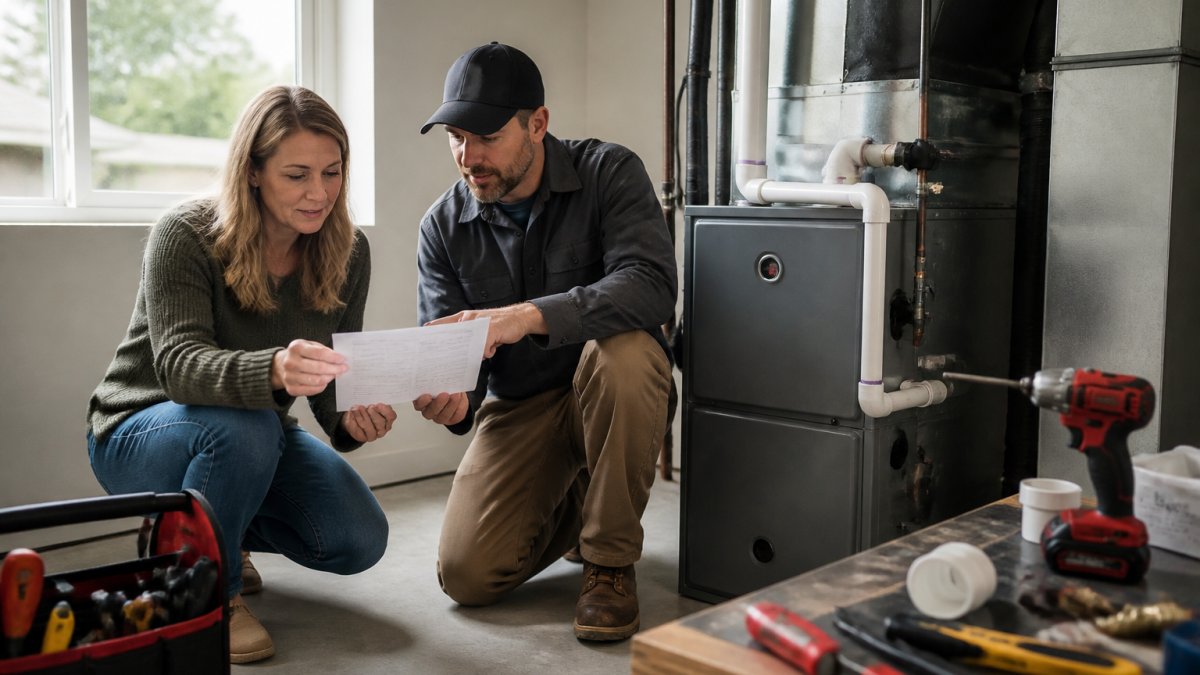
Here is the process:
- Write down what is happening. Note the date, the symptoms, and any error codes.
- Call the original installer first. They hold the workmanship obligation.
- Have your paperwork ready. Proof of installation and maintenance records.
- Allow the inspection. The contractor confirms whether the issue is covered.
- Get the repair in writing. Ask for the scope of work before anyone starts.
If the installer refuses a valid claim, you have options. The Federal Trade Commission's guidance on written warranties explains your rights under federal law.
Documentation Checklist and Transferability
Good documentation wins claims, and transferability protects you when you sell, both things most homeowners overlook until they need them.
The Documentation Checklist
Before filing any workmanship claim, assemble this file. A contractor who sees a complete package is far less likely to push back than one taking your word for it.
- Signed installation contract with the warranty terms written out, not just referenced
- Installation date and paid invoice showing the full scope of work
- Equipment model and serial numbers for every component installed
- Manufacturer warranty registration confirmation, with the date you registered
- Building permit number and the final inspection sign-off, if your jurisdiction required one
- Every maintenance and service record, including the technician's name and company
The permit and inspection record is the one people forget. If your jurisdiction required a permit and the contractor pulled one, the inspection sign-off is strong evidence the work met code at the time.
Does the Warranty Transfer When You Sell?
Some workmanship warranties transfer to a new owner. Some do not. Some transfer only if you notify the contractor in writing within a set window, often 30 days of the sale.
Three things to check before you list the home:
- Does the warranty transfer at all? Read the transfer clause. If it is silent, ask the contractor in writing.
- What is the transfer procedure? Many warranties require a form, a fee, or both. A transfer fee is common and usually modest.
- What is left on the clock? A 2-year workmanship warranty with 18 months used up transfers 6 months of coverage, not a fresh 2 years.
A transferable workmanship warranty is a genuine selling point worth mentioning in the listing. A non-transferable one is worth disclosing early so a buyer's inspector does not turn it into a negotiation later.
Dispute Resolution: What to Do If the Contractor Refuses
If the installer denies a valid claim, you have a sequence of options that work best in order.
- Put the denial in writing. Ask the contractor to state, in writing, the specific warranty clause they are relying on. Vague denials often evaporate when put on paper.
- Escalate inside the company. Ask for the owner or general manager. Front-line staff are not always authorized to approve a claim.
- Check the contract for a dispute clause. Many installation contracts require mediation or binding arbitration before litigation. If yours does, follow it, skipping it can hurt you later.
- File a complaint with your state licensing board. A licensed contractor is bound to a standard of care, and boards take installation complaints seriously. This is often the fastest pressure point.
- Contact your state attorney general's consumer protection division. The Federal Trade Commission's guidance on written warranties explains your rights under federal law, and the FTC's Magnuson-Moss Warranty Act gives you a federal hook when a written warranty is not honored.
- Small claims court. For claims under your state's small claims limit, this is often the cheapest and fastest path. Bring the documentation file.
Transferability matters more than people think, and dispute resolution should be spelled out in the contract, not discovered after a failure. Ask both before the install.
Frequently Asked Questions
What is covered under a workmanship warranty?
A workmanship warranty covers defects caused by the installer's work, not the equipment itself. This includes improper installation, refrigerant leaks from faulty connections, ductwork integrity issues, electrical connection errors, and building code compliance failures. If your system fails because of how it was installed, the workmanship warranty covers the repair labor and any parts damaged by the installation error. It does not cover component failure from normal wear or manufacturer defects.
How does an HVAC labor warranty differ from a manufacturer's warranty?
A manufacturer warranty covers defective parts and equipment, while an HVAC labor warranty covers the cost of the labor to diagnose and replace those parts. If your compressor fails under manufacturer warranty, you get the part for free but still pay the contractor's labor rate. A labor warranty covers that labor cost. Some contractors offer both, and understanding which warranty applies to your situation prevents surprise service call fees.
What is the typical duration for an HVAC workmanship warranty?
Most workmanship warranties range from one to five years, with the average HVAC workmanship warranty length falling around two years. Some contractors offer only 90 days, while others extend coverage to ten years on high-end installations. The duration often depends on the contractor's confidence in their installation process and the equipment type. Always confirm the warranty period in writing before signing a contract.
What common installation errors are covered by workmanship guarantees?
Covered installation errors typically include undersized or oversized equipment, improper refrigerant charge, incorrect duct sizing, faulty electrical connections, poor brazing that leads to refrigerant leaks, and failure to pull required permits. These issues often cause system failure within the first few years. A workmanship guarantee shifts the cost of fixing these mistakes back to the contractor who made them, provided you followed maintenance requirements.