 How-to
How to Prevent HVAC Breakdown During Heatwaves
Last Updated: November 14, 2026
Quick Summary
Preventing HVAC breakdown during heatwaves starts with a pre-summer tune-up, a clean air filter, and clear airflow around the outdoor condenser. Check the system before the first heat warning, not after it fails, since extreme heat forces the air conditioner to run longer than it was built for.
- Schedule professional maintenance about two weeks before the first heat warning.
- Replace the air filter, and check it monthly during summer.
- Keep at least 2 feet of open space around the outdoor unit.
- Set the thermostat to one steady temperature rather than dropping it 10 degrees to catch up.
- Turn the system off and call a technician if it short cycles, forms ice, or smells burning.
Table of Contents
- Why Heatwaves Push HVAC Systems to Failure
- Step-by-Step Pre-Heatwave Inspection Checklist
- How Often to Change AC Filter in Summer and How to Clean Coils
- HVAC Maintenance Tips for Extreme Heat
- Best Thermostat Settings During a Heatwave
- When to Call an HVAC Technician During a Heatwave
- Booking Your Pre-Summer Tune-Up With Valley View HVAC
- Frequently Asked Questions
Why Heatwaves Push HVAC Systems to Failure
Extreme heat forces your air conditioner to run longer and harder than it was built to.
When outdoor temperatures climb, the outdoor condenser has to release heat into hot air. That makes the compressor work harder, and it runs for longer stretches with fewer breaks.
Here is what usually gives out first:
- Compressor: It overheats when it runs nonstop for hours.
- Capacitor: Heat wears down this small part, and a failed capacitor stops the fan or compressor.
- Refrigerant lines: Low refrigerant from a leak reduces cooling and strains the compressor.
A common mistake is assuming a system that cooled fine in May will cope in July. It often will not.
Step-by-Step Pre-Heatwave Inspection Checklist
A pre-heatwave inspection works best when it is timed and prioritized rather than done as a single marathon. The checklist below is organized by when to do it and what each step protects against. Work through it in order, because the early steps are the quickest and prevent the most common failures.
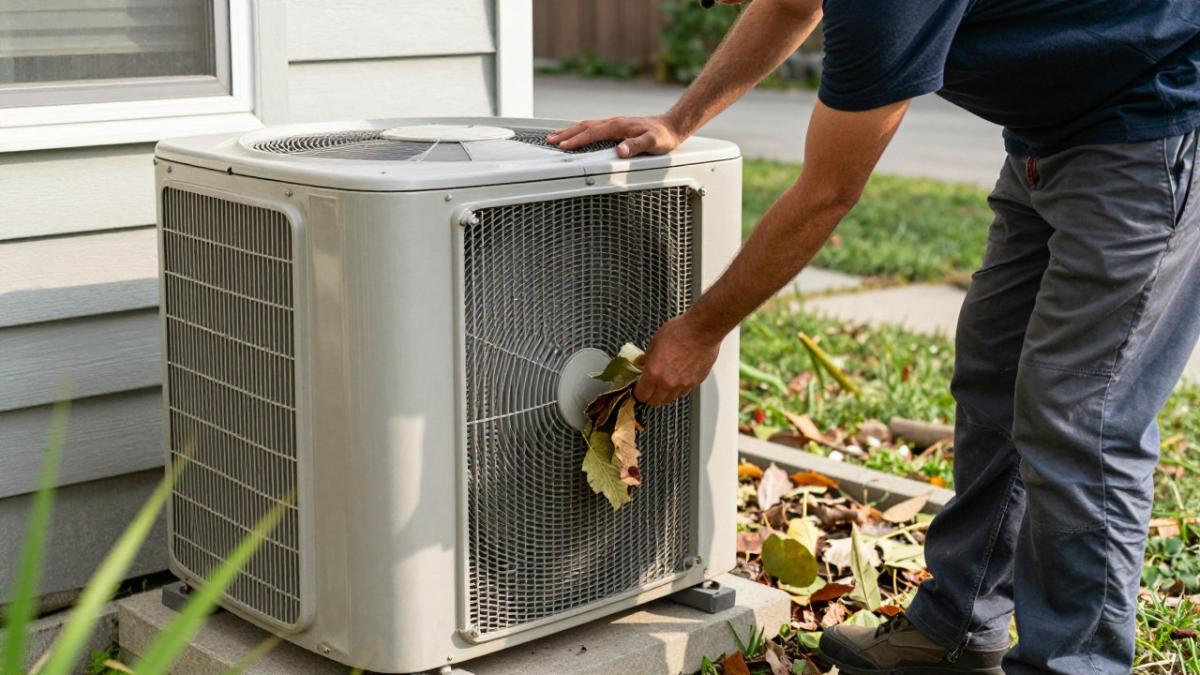
Two Weeks Before the First Heat Warning
- Schedule professional maintenance. Book a spring tune-up before peak summer so any weak capacitor, low refrigerant charge, or failing contactor is caught while parts and technicians are still available.
- Replace the air filter. A dirty filter restricts airflow, forces the blower to work harder, and can freeze the indoor coil. Check the manufacturer's recommended interval and shorten it if you have pets or live near dusty roads.
- Confirm the outdoor disconnect and breaker are labeled and accessible. You will need to cut power safely before any outdoor work, and a labeled disconnect saves time during an emergency.
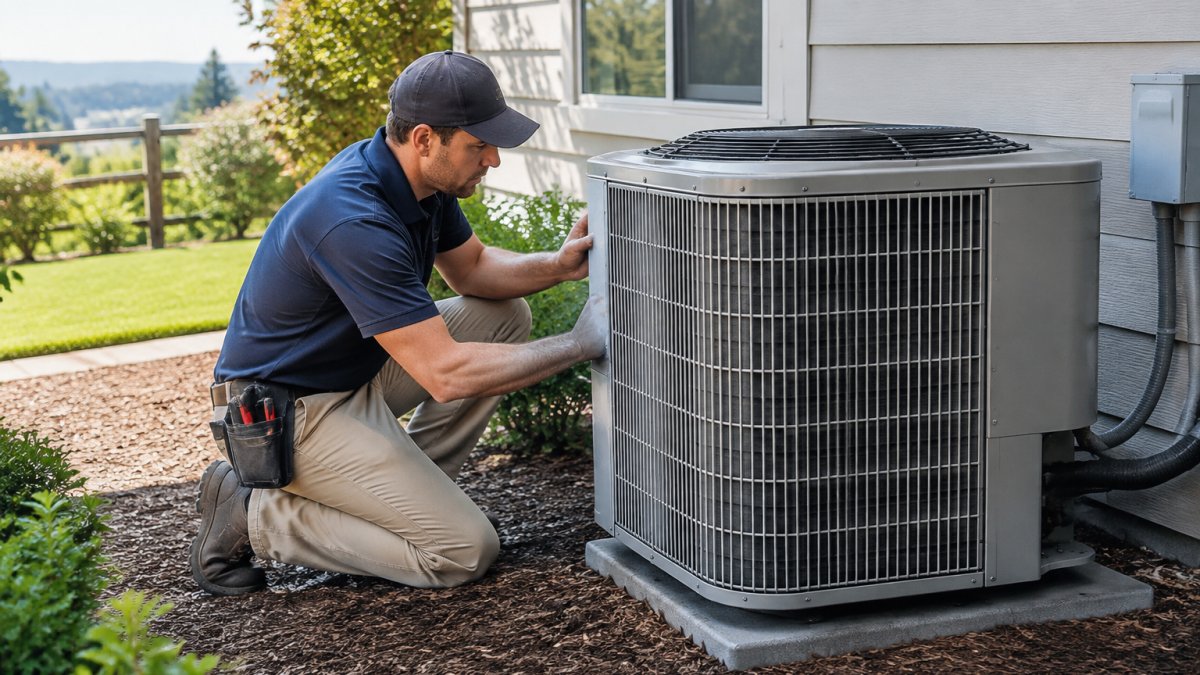
- Walk the perimeter of the outdoor condenser. Note clearance on every side, vegetation that needs trimming, and any debris on the fins or fan grille.
The Week Of the Heatwave
- Clear at least 2 feet of open space around the outdoor unit. Trim shrubs and grass back so the condenser can release heat into the air. A unit boxed in by vegetation runs hotter and longer.
- Remove leaves, debris, and cottonwood fluff from the fins and fan grille. Use a soft brush or a garden hose on low pressure. Never use a pressure washer on the fins; it bends them and reduces airflow permanently.
- Check the indoor supply and return vents. Make sure they are open and not blocked by furniture, rugs, or curtains. Closed or blocked vents raise static pressure and reduce cooling throughout the house.
- Check the condensate drain line. Look for standing water or algae, and pour a cup of water into the drain to confirm it flows. A clogged drain can trigger a safety shutoff or cause water damage.
- Test the thermostat. Set it to cool and confirm the system starts and the air turns cold within a few minutes. If it does not, stop and call a technician rather than restarting repeatedly.
- Listen and look for warning signs. Note any grinding, buzzing, short cycling, icing on the refrigerant lines, or weak airflow. These are signs of imminent failure, not normal operation.
The Day Before Peak Heat
- Set the thermostat to a steady temperature and leave it. Avoid large swings or dropping the setting by 10 degrees or more to "catch up." The system will not cool faster, and it will simply run longer.
- Close blinds and curtains on sunny windows during the day to reduce heat gain, and run ceiling fans to move air so you can raise the thermostat a few degrees.
- Avoid heat sources like ovens and dryers during the hottest afternoon hours.
Watch out: Never touch the capacitor or the electrical components inside the outdoor cabinet. Capacitors hold a dangerous charge even when the power is off, and refrigerant work requires a licensed technician. If a step involves opening a panel, checking refrigerant pressure, or testing electrical parts, stop and call a professional.
The checklist is organized by timing, and each step protects against a specific failure.
| Timing | Step | Purpose |
|---|---|---|
| Two weeks before first warning | Schedule professional maintenance | Catch weak capacitor or low refrigerant early |
| Two weeks before first warning | Replace the air filter | Restores airflow and prevents coil freezing |
| Two weeks before first warning | Label outdoor disconnect and breaker | Enables safe power cutoff in an emergency |
| Week of heatwave | Clear 2 feet around outdoor unit | Lets condenser release heat |
| Week of heatwave | Remove debris from fins | Maintains airflow through the condenser |
| Week of heatwave | Check supply and return vents | Prevents blocked airflow and high static pressure |
| Week of heatwave | Check condensate drain | Prevents safety shutoffs and water damage |
| Day before peak heat | Hold a steady thermostat setting | Avoids running the system at full capacity |
How Often to Change AC Filter in Summer and How to Clean Coils
During summer, check your air filter about once a month and replace it when it looks gray or clogged. Households with pets, or homes near dusty roads, usually need changes every 30 to 60 days. A restricted filter forces the blower to work harder and can cause the coil to freeze.
DIY Filter Replacement and Coil Cleaning
Filter replacement:
- Turn off the system at the thermostat.
- Find the filter slot, usually at the return grille or the air handler.
- Slide out the old filter and note the arrow showing airflow direction.
- Insert the new filter with the arrow pointing toward the blower.
- Turn the system back on and confirm air flows normally.
Coil cleaning (outdoor condenser):
- Cut power at the outdoor disconnect.
- Remove debris from the top and sides with a soft brush.
- Rinse the fins gently with a garden hose, spraying from the inside out if you can.
- Let the unit dry fully before restarting.
Indoor evaporator coil: Cleaning this coil is a job for a technician. It sits inside the air handler and can be damaged easily, so leave it to a professional.
HVAC Maintenance Tips for Extreme Heat
Good habits between service visits prevent most heatwave failures. Focus on the basics: clean air, clear airflow, and a system that gets checked before the heat peaks.
- Keep vegetation trimmed so the condenser always has room to breathe.
- Close blinds and curtains on sunny windows during the day to reduce heat gain.
- Run ceiling fans to move air around, which lets you raise the thermostat a few degrees.
Regular maintenance can help catch a weak capacitor or low refrigerant before it fails during hot weather.
Best Thermostat Settings During a Heatwave
Set your thermostat to a steady temperature and avoid large swings. Constantly lowering the setting forces the system to run at full capacity for long stretches, which strains the compressor.
- Pick one setting and hold it. A common starting point is 75 to 78 degrees Fahrenheit when people are home.
- Raise the setting when you are away. Going up a few degrees while you are out saves energy without risking damage.
- Use the "auto" fan setting unless you need constant airflow, since continuous fan use can spread humidity around the house.
Use a programmable or smart thermostat to automate these changes if you can. Consistent settings are one of the simplest ways to keep the system from working in overdrive.
When to Call an HVAC Technician During a Heatwave
Some repairs are safe for homeowners, and others need a licensed technician. Knowing the difference protects both your equipment and yourself. The symptom-to-action guide below helps you distinguish normal operation from signs of imminent failure, and the outage plan covers what to do if cooling fails during extreme heat.
Safe for Homeowners
- Replacing the air filter
- Clearing debris from the outdoor unit
- Rinsing the outdoor condenser fins with a hose
Call a Licensed Technician For
- The system runs but blows warm air. This can indicate low refrigerant from a leak, a failing compressor, or a bad capacitor. Refrigerant work requires a licensed technician.
- The outdoor unit will not start or hums without the fan turning. A humming unit with a stalled fan often points to a failed capacitor or seized motor; shut it off at the disconnect to prevent overheating.
- Ice forms on the refrigerant lines or indoor coil. Icing usually means restricted airflow or low refrigerant. Turn the system off and let it thaw; do not keep running it.
Emergency Response When Cooling Fails During Extreme Heat
If cooling fails during a heatwave, turn the system off at the thermostat to prevent further damage. Then follow this outage plan:
- Check the obvious first. Confirm the thermostat is set to cool, the air filter is not clogged, the outdoor disconnect and breaker are on, and the outdoor unit is clear of debris. If the problem continues, call a licensed technician rather than restarting repeatedly; repeated restarts can damage the compressor.
- Keep the house as cool as possible. Close blinds and curtains on sunny windows, run ceiling fans, and open windows at night if outdoor air is cooler and humidity is manageable. Avoid running ovens and dryers during the day.
- Stay hydrated and identify a cool refuge. Plan ahead for a place to go during the hottest hours, such as a cooling center, library, or a friend's home with working air conditioning.
- Protect vulnerable occupants. Infants, older adults, and people with health conditions are at higher risk of heat illness. Check on them frequently and get help quickly if they show warning signs.
Watch out: Warning signs of heat illness include confusion, dizziness, nausea, rapid heartbeat, and hot, dry skin. These are medical emergencies; call 911 and move the person to a cooler place while you wait for help.
What is the first step when an AC fails in a heatwave? Turn the system off at the thermostat, check the air filter and outdoor unit for obvious blockages, and call a licensed technician if the problem continues.
Booking Your Pre-Summer Tune-Up With Valley View HVAC
Our team at Valley View HVAC can handle the inspection, cleaning, and testing covered in this guide. We are fully licensed, bonded, and insured, and we back our workmanship with a 2-year warranty plus manufacturer coverage.
To schedule your complimentary consultation, call our team or visit our website for current pricing and availability. Booking before the first heat warning gives you the best chance to avoid a breakdown when you need cooling most.
Frequently Asked Questions
How cool should my AC keep my house in 100 degree weather?
A realistic indoor target during a 100-degree day depends on the system's capacity and the home, so a setpoint in the mid-70s is a reasonable goal to aim for. A system running constantly to reach a lower setting is a sign of strain, not a reason to keep pushing the thermostat down. If the house cannot reach a reasonable temperature even on a continuous run, check the air filter and outdoor unit clearance first, then call a technician to evaluate capacity and airflow.
Is 72 degrees a good AC setting in the summer?
A setting of 72 degrees is comfortable for many households, but it asks the system to work harder during peak heat than a setting in the mid-70s. Raising the thermostat a few degrees while you are away or asleep reduces runtime and strain on the compressor. For most homes, setting the thermostat to a consistent value, rather than adjusting it repeatedly, does more to protect the system than choosing one specific number.
Should I keep doors open or closed during a heatwave?
Keep interior doors open so conditioned air can circulate to every room and the return vent can pull air evenly through the home. Keep exterior doors and windows closed, and use blinds or curtains on sun-facing windows to reduce indoor heat gain. Closing off unused rooms forces the system to cool a smaller area unevenly, which can cause short cycling and frozen coils.
What should I do if my AC stops cooling during a heatwave?
First, check that the thermostat is set to cool and the fan is on auto, and confirm the breaker has not tripped. Then check the air filter and make sure the outdoor unit is clear of debris and running. If the system is still not cooling, turn it off to prevent compressor damage and call a licensed HVAC technician. Avoid opening the refrigerant lines or attempting repairs that require handling refrigerant, which is work for a licensed contractor.