 how-to
5 Modern HVAC Technologies Built for Your Climate
Last Updated: October 26, 2026
Quick Summary
Modern HVAC technology for Oregon's Willamette Valley climate includes heat pumps, ductless mini-splits, smart thermostats, and advanced humidity control systems that deliver better efficiency and comfort than older equipment. These systems are specifically designed to handle mild winters, frequent cycling, and damp conditions common to your region.
- Heat pumps move warm air rather than generating it, using far less energy than traditional furnaces in mild climates
- Ductless mini-split systems let you control temperature independently in each room and remove moisture automatically
- Smart thermostats learn your patterns, optimize heat pump operation, and provide energy usage reports accessible from your phone
- HVAC sizing requires professional load calculations accounting for insulation, windows, air leakage, and local weather patterns
- HEPA filters capture particles as small as 0.3 microns, and UV light technology prevents mold growth in ductwork
Table of Contents
- Why Modern HVAC Technology Matters for Your Home
- Heat Pumps for Mild Climates: Year-Round Comfort Without the Bulk
- Ductless Mini-Split Systems: Flexibility for Every Room
- HVAC Sizing and Load Calculation: Getting the Right System for Your Space
- Smart Thermostats for Heat Pumps: Control and Efficiency in One Device
- Managing Humidity and Indoor Air Quality with Modern Systems
- Schedule Your HVAC Consultation Today
- Frequently Asked Questions
Why Modern HVAC Technology Matters for Your Home
Your heating and cooling system runs year-round. The technology you choose directly affects your comfort, energy bills, and how long your equipment lasts. Modern HVAC technology has evolved significantly from older systems. These advances deliver better efficiency, quieter operation, and smarter control.
At Valley View HVAC, we've seen firsthand how the right system transforms a home. The difference between an outdated unit and a modern one isn't subtle. Newer systems use less energy while maintaining better temperature control. They also integrate with smart home technology, giving you real-time insights into your heating and cooling.
The climate in the Willamette Valley presents unique challenges. Mild winters mean your system cycles frequently. Damp conditions require careful humidity management. Modern HVAC technology addresses these specific needs. Systems designed for your climate perform better than generic solutions.
This guide covers five technologies that matter most for homes in your region. Each one solves real problems homeowners face. By the end, you'll understand which upgrades make sense for your situation.
Heat Pumps for Mild Climates: Year-Round Comfort Without the Bulk
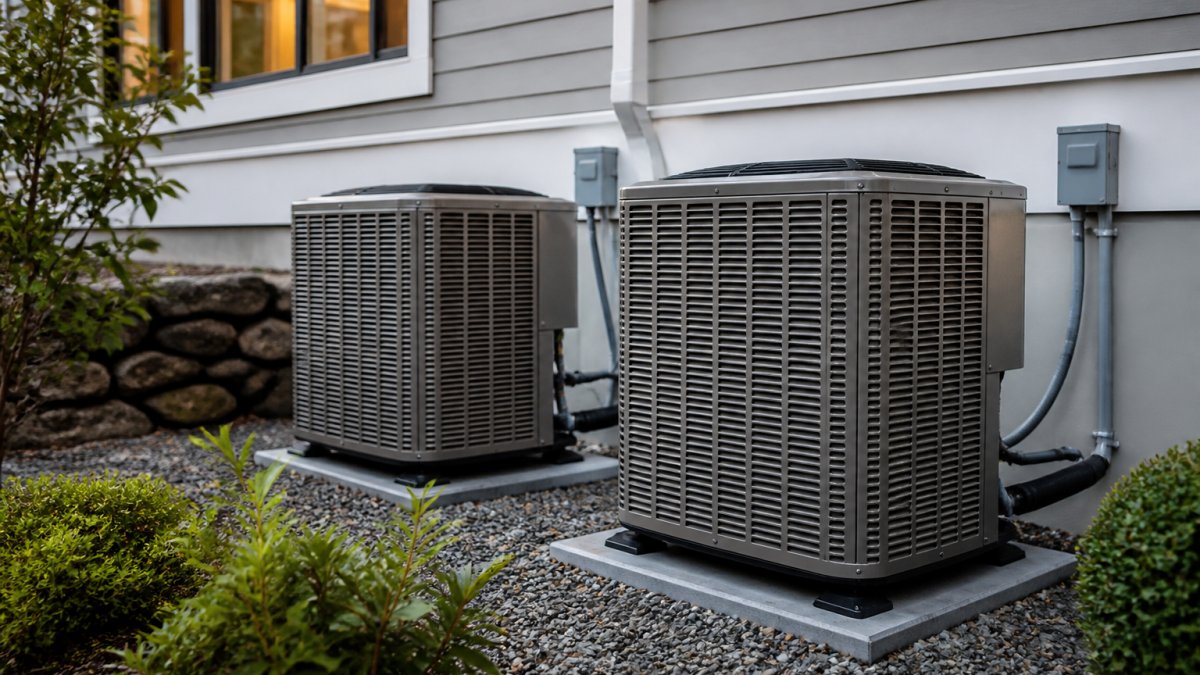
Heat pumps are the most efficient heating and cooling option for moderate climates. They move warm air rather than generating it, which uses far less energy than traditional furnaces.
A heat pump pulls warmth from outside air, even when temperatures are cool. It then moves that warmth inside your home. In summer, the process reverses, pulling heat from indoors and releasing it outside.
The efficiency gains are substantial. Heat pumps deliver more heating output per unit of energy consumed compared to electric resistance heating. Many homeowners see noticeably lower heating bills after switching.
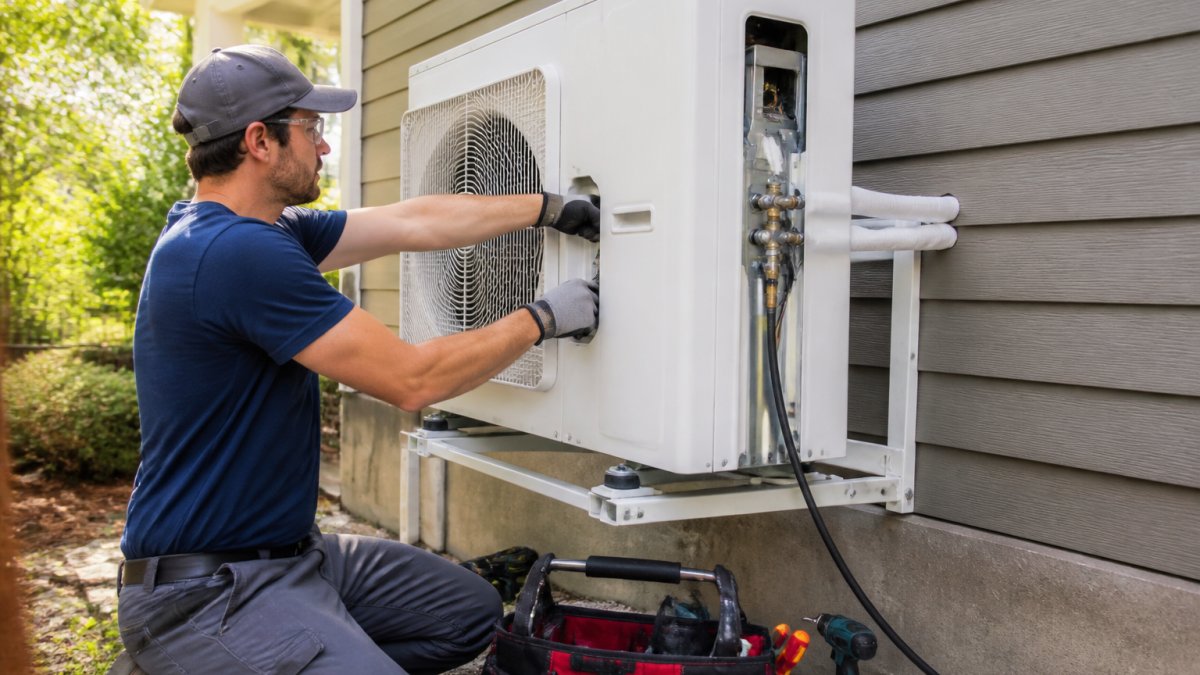
Sizing matters. An undersized heat pump won't meet demand on the coldest days. An oversized unit cycles too frequently and wastes energy. Valley View HVAC performs detailed load calculations to ensure your system matches your home's actual needs.
Cold-climate heat pumps have improved dramatically. Older models struggled below freezing. Current designs maintain efficiency even in harsh conditions. For the Willamette Valley's typical winter temperatures, modern heat pumps handle heating demands without supplemental resistance heat.
The quiet operation is another advantage. Heat pumps run at lower volumes than traditional furnaces. If noise has bothered you with older equipment, you'll notice the difference immediately.
Ductless Mini-Split Systems: Flexibility for Every Room
Ductless mini-split systems offer zone-based heating and cooling. Each room has its own indoor unit connected to an outdoor compressor. You control each zone independently. This flexibility solves problems that whole-house systems can't address.
Homes with uneven temperatures benefit most. Perhaps your upstairs stays warm while the basement feels cold. A mini-split system lets you heat the basement without overheating upstairs.
Installation is simpler than traditional ductwork. The technician runs refrigerant lines and electrical wiring through walls rather than installing extensive ductwork. This makes mini-splits ideal for additions, renovated spaces, or homes where ductwork isn't practical.
Energy efficiency rivals heat pumps. Each indoor unit operates independently, so you're not conditioning unused rooms. The variable-speed compressor adjusts output based on actual demand. This modulation reduces energy waste significantly.
Humidity control is built in. As the system cools air, it removes moisture. The condensate drains away automatically. For the damp climate of the Willamette Valley, this feature prevents moisture buildup in individual rooms.
Maintenance is straightforward. Filters are easy to access and replace. Coils stay cleaner because air passes through a single indoor unit rather than traveling through extensive ductwork. Many mini-split owners report lower maintenance costs over time.
The aesthetic impact matters too. Modern indoor units mount on walls or ceilings and blend into most décor. They're far less obtrusive than window units or portable air conditioners.
HVAC Sizing and Load Calculation: Getting the Right System for Your Space
HVAC sizing determines whether your system performs efficiently or struggles. Too small, and it runs constantly without reaching target temperatures. Too large, and it cycles on and off, wasting energy and reducing lifespan. Proper sizing is critical.
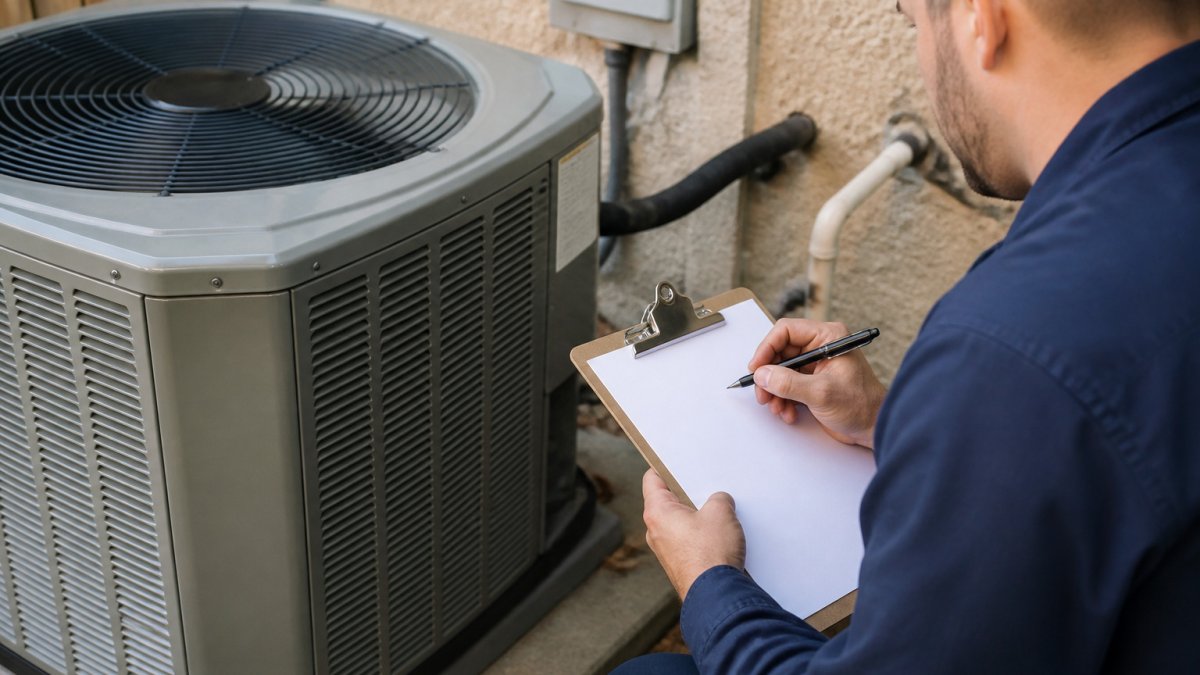
Load calculation accounts for many factors. Square footage is just the starting point. Insulation levels, window area, air leakage, sun exposure, and local climate all influence heating and cooling demand. A professional assessment considers these variables.
The calculation process involves measuring your home, evaluating construction details, and running software that factors in your specific location's weather patterns. The result is a precise estimate of peak heating and cooling load. Your system should be sized to handle that load without oversizing.
Common mistakes happen when contractors skip this step. Some use simple rules of thumb based only on square footage. Others assume your current system's size is correct. Both approaches often lead to problems. An undersized system leaves you uncomfortable. An oversized system costs more upfront and performs poorly.
Valley View HVAC performs detailed load calculations for every installation. This ensures your equipment matches your home's actual needs. The result is optimal comfort and efficiency from day one.
Ductwork design is part of sizing. Even the best outdoor unit performs poorly if ducts are undersized or poorly sealed. Proper ductwork ensures conditioned air reaches every room at the right velocity and volume.
Schedule your complimentary consultation →
Smart Thermostats for Heat Pumps: Control and Efficiency in One Device
Smart thermostats learn your patterns and adjust automatically. They maintain comfort while minimizing energy use. For heat pump systems, smart control unlocks additional efficiency gains.
A smart thermostat connects to your phone and home network. You adjust temperature from anywhere. You can schedule temperature changes for different times of day or days of the week. Geofencing features detect when you leave home and adjust settings automatically.
Learning capabilities are powerful. After a few weeks, the thermostat understands your patterns. It anticipates your needs and makes adjustments before you ask.
For heat pumps specifically, smart thermostats optimize the balance between heat pump operation and supplemental heating. During very cold periods, the system knows when to engage backup heat for efficiency.
Energy reporting shows exactly how much heating and cooling you're using. Monthly summaries break down usage by day and time. This transparency helps you identify waste and adjust habits. Many users reduce consumption simply by seeing the data.
Integration with other smart home devices expands possibilities. Your thermostat can work with smart lights, door locks, and voice assistants. Imagine saying "I'm leaving" and having the system lock doors, adjust temperature, and turn off lights automatically.
Installation is simple. Most smart thermostats work with existing wiring. The setup process takes minutes. If your current thermostat has compatible wiring, installation is a DIY task. If not, a technician handles it quickly.
Managing Humidity and Indoor Air Quality with Modern Systems
Humidity control is often overlooked but critical for comfort and health. The Willamette Valley's climate brings moisture challenges. Modern HVAC systems address this with integrated humidity management.
When air conditioning runs, it naturally removes moisture. The cooling coil condenses water vapor, and the liquid drains away. However, traditional systems sometimes run just to cool, not to dehumidify.
Some heat pump systems include dedicated dehumidification modes. The compressor runs at low capacity, removing moisture without excessive cooling. This prevents the uncomfortable feeling of cold, damp air. Your home stays comfortable without temperature swings.
Ventilation has become more sophisticated. Fresh air intake with energy recovery is now standard in efficient homes. Outside air passes through a heat exchanger that transfers warmth (or coolness) to incoming fresh air.
Air filtration has advanced significantly. HEPA filters capture particles as small as 0.3 microns (the EPA). This removes dust, pollen, pet dander, and other allergens.
UV light technology in ductwork prevents mold and bacterial growth. As air passes through the system, UV light kills microorganisms. This keeps your ducts cleaner and prevents odors. Many modern systems include this feature as standard.
Regular maintenance keeps air quality high. Filters need changing every 1-3 months depending on use. Coils should be cleaned annually. Ductwork benefits from professional cleaning every 3-5 years.
Modern HVAC systems offer several features to improve humidity control and air quality in your home.
| Feature | Purpose | Maintenance |
|---|---|---|
| Dehumidification modes | Remove moisture without excessive cooling | Runs as needed |
| Energy recovery ventilation | Bring fresh air without energy waste | Standard in efficient homes |
| HEPA filters | Capture particles as small as 0.3 microns | Change every 1-3 months |
| UV light technology | Prevent mold and bacterial growth in ducts | Included as standard |
| Annual coil cleaning | Keep coils clean and prevent odors | Once per year |
| Professional duct cleaning | Maintain air quality throughout system | Every 3-5 years |
Schedule Your HVAC Consultation Today
Modern HVAC technology delivers measurable improvements in comfort, efficiency, and air quality. Heat pumps, ductless systems, smart controls, and advanced filtration work together to create the ideal home environment. The technology exists. The question is whether your current system takes advantage of it.
The right system for your home depends on your specific situation. Your home's age, insulation, ductwork, and your comfort priorities all factor into the decision. A professional assessment reveals which upgrades make sense for your situation.
Valley View HVAC has over 20 years of combined construction trades experience designing systems for the Willamette Valley climate. We're fully licensed, bonded, and insured. Every installation includes a 2-year workmanship warranty plus manufacturer guarantees. We also offer special discounts for seniors, veterans, educators, and first responders.
Heat pumps and ductless mini-splits for your area are available through Valley View HVAC. We'll evaluate your home's heating and cooling needs, explain your options, and recommend the system that delivers the best combination of comfort and efficiency for your climate.
Contact Valley View HVAC to schedule your complimentary consultation. We'll answer your questions, address your concerns, and show you exactly what modern HVAC technology can do for your home.
Frequently Asked Questions
What type of HVAC system works best in a mild, damp climate?
Heat pumps excel in mild climates because they move heat efficiently rather than generating it, reducing energy waste. Ductless mini-splits offer flexibility for homes without extensive ductwork. Both handle humidity well when paired with proper ventilation and dehumidification features. Modern HVAC technology designed for your climate can manage the seasonal moisture swings that affect comfort and system performance.
Are heat pumps effective during cold, wet winters?
Yes. Modern heat pumps operate efficiently in temperatures above freezing and provide consistent heating during mild winters. They work by extracting heat from outside air and moving it indoors, even when it's cold and damp. For the coldest extremes, many systems include a backup heating element. This makes heat pumps a practical choice for regions with moderate winter temperatures and high humidity.
How should an HVAC system be sized for a home?
HVAC sizing and load calculation depends on square footage, insulation quality, window placement, and local climate conditions. An oversized system cycles on and off frequently, wasting energy. An undersized system runs constantly without reaching your comfort target. A professional load calculation accounts for your specific home's characteristics and ensures the system matches actual heating and cooling demand, improving efficiency and lifespan.
Are smart thermostats useful with heat pumps?
Smart thermostats for heat pumps optimize performance by learning your schedule and adjusting temperatures automatically. They prevent unnecessary switching between heating and cooling modes, reduce energy consumption, and provide remote control via smartphone. Many integrate with weather data to anticipate heating or cooling needs, making them especially valuable for managing the variable conditions typical in regions with mild, humid seasons.
Modern HVAC technology transforms how your home feels and performs. The systems available today are quieter, more efficient, and smarter than equipment from even five years ago. Whether you're replacing an aging system or upgrading for better control, the technology exists to solve your specific challenges. Valley View HVAC helps you find the right solution and installs it correctly, backed by our 2-year warranty and commitment to transparent, community-focused service.