 how-to
Affordable HVAC Service for Seniors: Help & Discounts
Table of Contents
- Why Affordable HVAC Service for Seniors Matters More Than Ever
- HVAC Assistance Programs for Seniors: What's Available
- How to Apply for HVAC Assistance: A Step-by-Step Guide
- Understanding HVAC Repair Cost and Replacement Assistance
- HVAC Replacement Assistance: Grants, Rebates, and Tax Credits
- Ways to Lower Heating and Cooling Bills Without Replacing Your System
- Senior Discounts and Community Programs for HVAC Service
- Protecting Yourself: Scam Prevention and Contractor Vetting
- Frequently Asked Questions
Last Updated: October 13, 2026
Why Affordable HVAC Service for Seniors Matters More Than Ever
Finding affordable HVAC service for seniors is harder than it should be. Fixed incomes do not adjust when a heat wave hits or a furnace quits in January. At Valley View HVAC, we see the same pattern across the Willamette Valley: the system fails at the worst moment, and the quote arrives before anyone can think.
HVAC service for seniors is not just about a lower price. It is about knowing which programs exist, which ones you qualify for, and which repairs are worth paying for.
HVAC Assistance Programs for Seniors: What's Available
HVAC assistance programs for seniors fall into three buckets: federal and state energy aid, local nonprofit programs, and utility discounts.
The National Council on Aging guide to cooling assistance points older adults toward senior centers, nonprofits, and service organizations that help cover cooling costs and equipment.
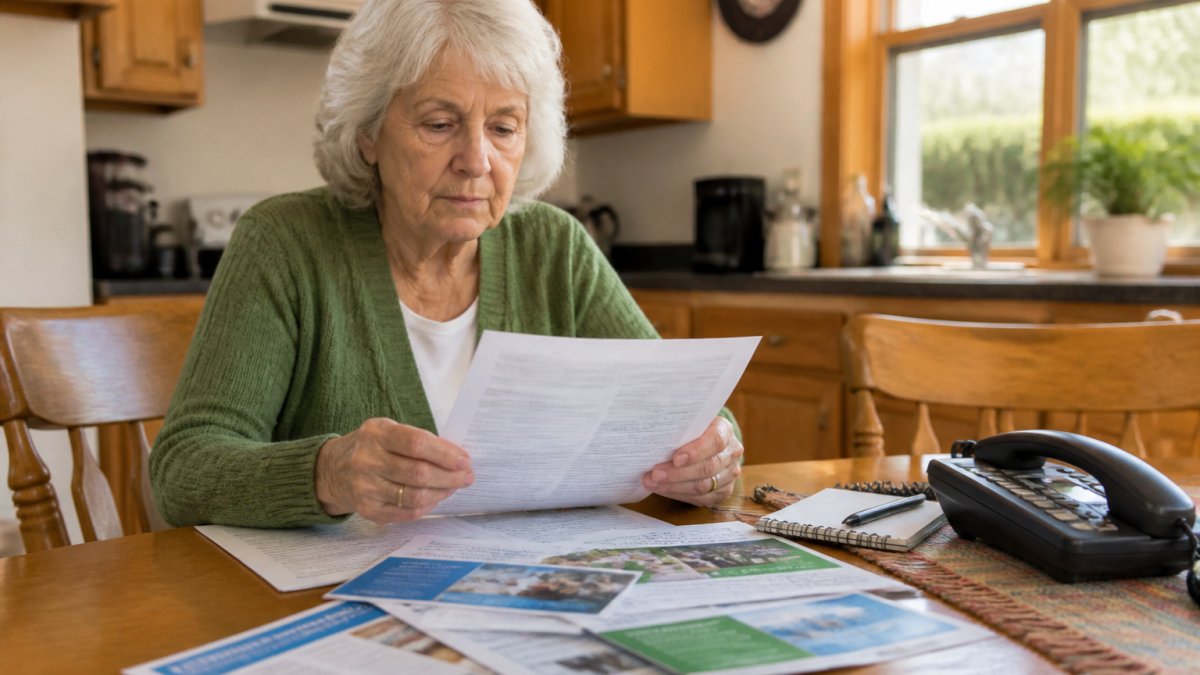
Federal and State Energy Assistance Programs
Federal energy assistance is administered through state and local agencies. The two names you will hear most are LIHEAP, which helps with heating and cooling bills, and the Weatherization Assistance Program, which funds efficiency upgrades for income-eligible households.
How the money reaches you matters more than the program names, because the three delivery paths behave differently:
- Bill-payment credits are applied to your utility account. They reduce what you owe; they do not put cash in your hand, and they usually cannot pay a contractor directly.
- Crisis payments are released when a household faces a shutoff notice, has lost service, or has no working heating or cooling equipment during a temperature emergency. Crisis intake is faster than standard intake, but the window to use the funds is short.
- Weatherization and repair funds pay for physical work on the home, insulation, air sealing, duct repair, and in some cases heating or cooling equipment. This bucket can actually fix a broken system rather than just pay the bill it produces.
Eligibility usually turns on household income relative to federal poverty guidelines, and many programs prioritize households with a member age 60 or older.
To find the right office, start with your state energy office, then ask which local agency administers LIHEAP and weatherization in your county.
Local and Nonprofit Cooling and Heating Programs
Community action agencies, senior centers, and faith-based organizations run smaller programs that fill gaps federal aid misses, a window air-conditioning unit, a fan, a repair co-pay, or a crisis payment after a shutoff notice.
These programs are rarely advertised in one place. Calling your local senior center and asking what they coordinate is faster than searching online.
How to Apply for HVAC Assistance: A Step-by-Step Guide
Applying for assistance is a paperwork process, not a lottery. Households that gather documents first get approved fastest.
- Confirm eligibility first. Call your state energy office or local community action agency and ask: what is the current income limit, and is there priority for applicants age 60 and over?
- Gather your documents. You will typically need proof of income for everyone in the household, a recent utility bill, photo ID, and your Social Security numbers.
- Apply to the bill-payment and weatherization programs separately. They are different applications with different offices, even when they share an agency.
- Ask about crisis status. If you have a shutoff notice or no working heat, say so at intake. Crisis applications are often processed faster.
- Keep a copy of everything you submit. Note the date, the person you spoke with, and any application number.
- Follow up in two weeks. If you have not heard back, call. Files stall, and a polite follow-up moves them.
Understanding HVAC Repair Cost and Replacement Assistance
HVAC repair cost and replacement assistance are two different problems. Repair help usually means a grant or discount toward a service call; replacement help means a larger funding package with more scrutiny.
"Costs vary" is not useful when you are staring at a quote. Here is what drives the number, what to ask before you approve work, and which assistance fits.
What Actually Drives the Repair Quote
A service call price is not a repair price. The service call covers the trip and diagnosis; the repair is a separate line item built from four inputs:
- Part cost, a capacitor, contactor, or blower motor is inexpensive; a compressor or heat exchanger is not.
- Labor hours, a diagnostic visit is short; a refrigerant leak search or coil replacement is not.
- Refrigerant, sealed-system refrigerant is regulated, and recharge cost depends on the type and amount lost.
That is why two neighbors with the same brand of equipment can get very different quotes. The equipment is the same; the job is not.
Questions to Ask Before You Approve Any Repair
Ask these in order, and write down the answers:
- What is the diagnosis, in plain language, and what part failed?
- Is this a repair or a symptom of a larger failure?
- What is the total out-the-door price, including parts, labor, refrigerant, and any diagnostic fee?
- If I repair instead of replace, how long should this system last?
- What is the workmanship warranty on this repair, and what does it exclude?
- If the repair does not solve the problem, what is my recourse?
A contractor who cannot answer these in writing is not the right contractor for a job you are paying for with limited funds.
Repair vs. Replacement: Which Assistance Fits Your Situation?
| Situation | Right type of help | Where to start |
|---|---|---|
| System works but bill is too high | Bill-payment or efficiency program | State energy office |
| Single component failed, system is under 10 years old | Repair assistance or senior service discount | Local contractor, senior center |
| System is 15+ years old and failing repeatedly | Replacement grant, rebate, or tax credit | Weatherization agency, utility rebate program |
| No heat or cooling right now, shutoff notice | Crisis assistance | Community action agency |
| You do not qualify for public aid | Contractor senior discount, financing | Local HVAC company |
The rule most technicians use: if the repair approaches half the price of a new system and the unit is past its expected service life, replacement is usually the better use of the money. If the unit is young and one part failed, repair almost always wins.
Schedule your complimentary consultation →
Why the Assistance Type Matters More Than the Price
A grant that pays for a new furnace will not pay the bill it generates. A bill-payment credit will not fix a compressor. A rebate will not cover a diagnostic visit.
Match the problem to the program before you fill out anything. Broken system: weatherization or repair funds. Working system, unaffordable bill: bill-payment or efficiency help. Old and failing: replacement assistance, grants, rebates, and tax credits stacked where allowed.
HVAC Replacement Assistance: Grants, Rebates, and Tax Credits
HVAC replacement assistance comes from three places: grants that need no repayment, utility rebates tied to efficiency ratings, and federal tax credits for qualifying high-efficiency equipment.
Grants flow through the weatherization network and are reserved for income-eligible households. Tax credits are claimed on your return for qualifying equipment installed that tax year (Energy Efficient Home Improvement Credit).
Two practical warnings. First, rebate programs change annually, so confirm current terms with your utility before you buy.
Ways to Lower Heating and Cooling Bills Without Replacing Your System
Ways to lower heating and cooling bills start with the cheapest fixes. Most households we visit can cut runtime before spending a dollar on equipment.
- Seal gaps around doors, windows, and attic hatches with weatherstripping and caulk
- Replace filters on schedule; a clogged filter makes the blower work harder for less airflow
- Have the system serviced annually so small faults get caught before they become failures
None of these require a permit or a loan. Together they reduce how often the system runs, which is the number that shows up on your bill.
Senior Discounts and Community Programs for HVAC Service
Senior discounts on HVAC work are real but vary wildly. Some publish a percentage off service calls; others waive the diagnostic fee or discount maintenance plans. Ask directly, and ask in writing.
Valley View HVAC offers community discounts to senior community members, veterans, educators, and first responders. We are a family-run business, licensed, bonded, and insured, with a 2-year workmanship warranty on our work and manufacturer warranties on the equipment we install.
Beyond contractors, check these sources for community pricing:
- Your local senior center, which often maintains a vetted contractor list
- Area agencies on aging, which coordinate services for older residents
- Utility customer assistance programs, which sometimes include a discounted service tier
Protecting Yourself: Scam Prevention and Contractor Vetting
HVAC scams target older adults, and the pattern is consistent: urgency, a lowball quote, a demand for cash, no paperwork. The defense is equally consistent.
Run every contractor through this checklist before money changes hands:
- Verify the license number with your state contractor board
- Confirm the business is bonded and insured, and ask for the certificate
- Get the diagnosis and scope of work in writing before authorizing repairs
If a contractor pressures you, leaves no written estimate, or cannot produce a license number, end the conversation. There is always another contractor.
The hardest part of affordable HVAC service for seniors is not the repair itself.
Frequently Asked Questions
What is the senior HVAC assistance program?
There is no single federal program called the 'senior HVAC assistance program.' Instead, several programs may help. The Low Income Home Energy Assistance Program (LIHEAP) helps with heating and cooling bills. Weatherization Assistance Programs can improve home energy efficiency. Some area agencies on aging and local nonprofits offer cooling assistance or help paying for air conditioners. Eligibility depends on income, age, and location. Contact your state's LIHEAP office or local Area Agency on Aging to find programs you may qualify for.
How much is a typical HVAC service call?
HVAC service call pricing varies by location, contractor, and the type of work needed. Some contractors publish service-call ranges, but these are location-specific. Valley View HVAC does not list standard pricing because every home and system is different. For a personalized quote, contact Valley View HVAC directly. They offer transparent pricing and community discounts for seniors, veterans, educators, and first responders.
What if I can't afford to replace my HVAC?
If replacement is not in your budget, several options exist. First, explore HVAC replacement assistance through LIHEAP, weatherization programs, or state-specific grants. Some nonprofits help with repair costs. You may also qualify for rebates on energy-efficient equipment. If your system is only 8 years old, ask a technician whether a repair could extend its life. Valley View HVAC offers maintenance and repair services, plus discounts for seniors and other community members.
How can seniors lower heating and cooling bills without replacing their system?
You can lower heating and cooling bills through simple changes. Set your thermostat a few degrees lower in winter and higher in summer. Seal air leaks around windows and doors. Change air filters regularly. Use ceiling fans to improve air circulation. Some utility providers offer budget billing or average monthly payment plans. Weatherization programs can also improve insulation and reduce energy waste. Valley View HVAC provides maintenance services that help your system run efficiently, which can lower monthly costs.