 how-to
How to Improve Indoor Air Quality in Willamette Valley Homes
Table of Contents
- How to Improve Indoor Air Quality in Willamette Valley Homes
- What You'll Need Before You Start
- The Three-Layer Method: Source Control, Ventilation, Filtration
- Step 1: Source Control to Reduce Indoor Pollutants
- Step 2: Indoor Humidity and Ventilation Targets
- Step 3: HVAC Air Filter MERV Rating and Replacement Schedule
- Step 4: Wildfire Smoke Indoor Air Quality Protection
- Step 5: Duct Cleaning and Indoor Air Quality
- Measuring Results and Affordable Improvements Ranked by Cost
- Conclusion: Your Next Step Toward Cleaner Indoor Air
- Frequently Asked Questions
Last Updated: October 9, 2026
How to Improve Indoor Air Quality in Willamette Valley Homes
Improving indoor air quality in Willamette Valley homes starts with three layers: source control, ventilation, and filtration.
The Willamette Valley throws a lot at your indoor air: wet winters trap moisture indoors, dry summers pull pollen through open windows, and smoke events push fine particles (PM2.5) into every room.
This guide uses the Three-Layer Method, applied room by room with filter specs, humidity targets, and low-cost fixes ranked by impact.
What You'll Need Before You Start
- A notebook or phone to track filter dates and humidity readings
- A hygrometer (a small humidity meter) for each floor of your home
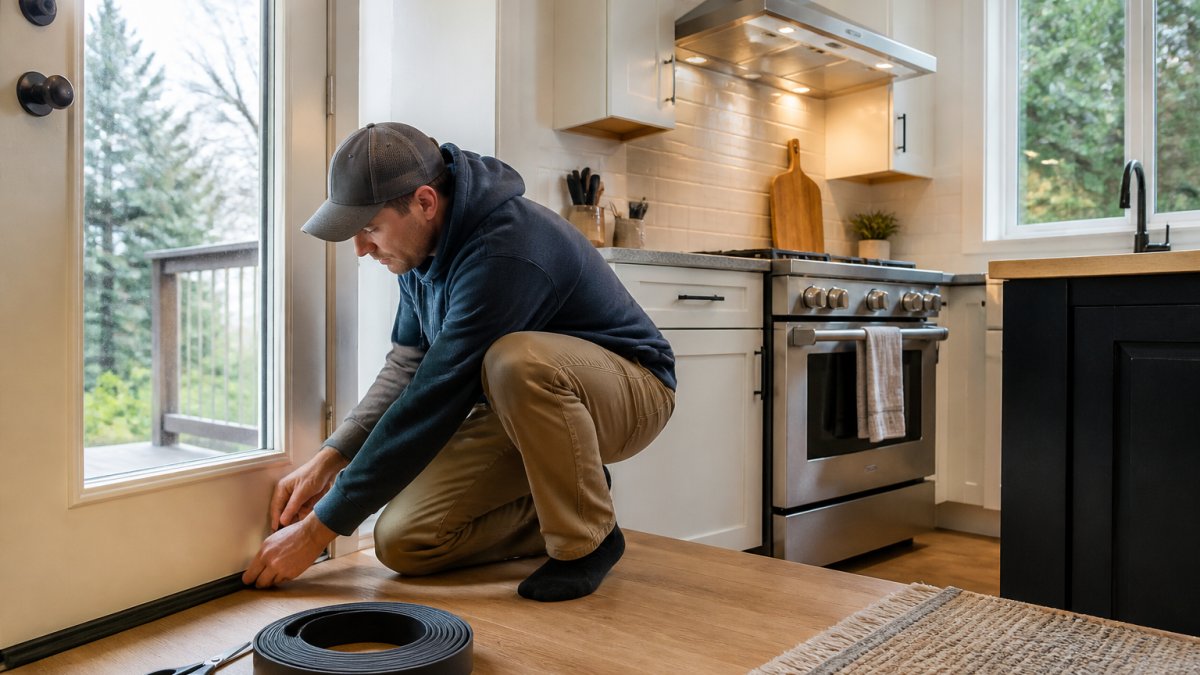
- Weatherstripping and caulk for sealing gaps
You don't need everything at once, start with the hygrometer and a filter, then add the rest as you go.
The Three-Layer Method: Source Control, Ventilation, Filtration
The Three-Layer Method is simple: control the source first, bring in fresh air second, and filter what's left third.
The order matters: a filter only catches what reaches it, uncontrolled sources make your HVAC work harder, and without ventilation, stale air and moisture sit in your home.
Think of it like a leaky bucket. Filtration bails water out. Source control plugs the hole.
The Environmental Protection Agency recommends a similar approach for indoor air quality: EPA guidance on improving indoor air quality.
Step 1: Source Control to Reduce Indoor Pollutants
Source control means stopping indoor pollutants before they spread. It's the cheapest and most effective step you can take.
Start with these moves:
- Run your range hood every time you cook, and make sure it vents outdoors
- Switch to low-odor cleaning products, or use vinegar and water
- Store paints, solvents, and fuels in a garage or shed, never in living space
Room-by-Room Source Control Checklist
- Kitchen: test the range hood, seal cabinet gaps, store chemicals away
- Bathroom: run the exhaust fan, fix drips, check caulk lines
- Bedroom: wash bedding weekly, vacuum under the bed
Step 2: Indoor Humidity and Ventilation Targets
Indoor humidity and ventilation work together, and in this valley they pull in opposite directions depending on the season. Keep indoor humidity between 30% and 50%. Below 30% dries out your nose, throat, and wood floors. Above 50% invites mold, dust mites, and musty odors.
How to Actually Measure Humidity
Don't guess from how the air feels. Buy a hygrometer, a small digital humidity meter, and place one on each floor. A heated upstairs bedroom and a cool basement commonly differ by 10 to 15 points, so one reading never tells the whole story.
- Put a hygrometer in the main living area, one in the basement, and one in the primary bedroom.
- Take readings in the morning and again in the evening for a week before you change anything.
- Log the numbers next to outdoor conditions so you can see what drives the swings.
Most consumer hygrometers are accurate to within a few percentage points; if two in the same room disagree by more than about 5 points, one is likely out of calibration.
When to Ventilate and When to Seal Up
Ventilation means swapping stale indoor air for fresh outdoor air. On clear days, open windows for 10 to 15 minutes to reset a room without chilling the walls; cross-ventilation works faster, so open one on each side of the house when you can. Helpful habits:
- Crack a window while you cook or shower
- Run exhaust fans in kitchens and bathrooms
- Use a dehumidifier in damp rooms
But ventilation is seasonal here, not a year-round default. The open-window habit that clears a stuffy kitchen in May pulls wildfire smoke into every room in August and dumps cold, damp air into a heated house in January. The rule: ventilate freely on clear, mild days, and switch to filtration and recirculation when outdoor air is smoky, pollen counts are high, or incoming air will condense on cool surfaces.
Troubleshooting Damp Basements and Mold Prevention
Damp basements are the most common moisture problem here. Wet winters and poor drainage push moisture through concrete, and a cool basement stays humid even when the rest of the house is dry.
Try these fixes:
- Check gutters and downspouts, and direct water away from the foundation
- Run a dehumidifier set to 45% to 50%
- Seal cracks in the floor and walls
A dehumidifier sized for the space matters more than the brand. A small unit in a large, open basement will run constantly and still miss the target.
If you smell a musty odor or see dark spots, treat it as mold prevention, not a cleaning job.
A Simple Seasonal Rhythm
- Wet winter: prioritize exhaust fans, dehumidification, and keeping humidity under 50%.
- Spring pollen: ventilate in short bursts, then close up and let filtration handle the rest.
- Dry summer: watch for humidity dropping below 30%, and ventilate freely on clear days.
Step 3: HVAC Air Filter MERV Rating and Replacement Schedule
The right HVAC air filter MERV rating makes a real difference. MERV stands for Minimum Efficiency Reporting Value, scoring how well a filter traps particles on a scale from 1 to 20.
For most homes, a MERV 13 filter is the sweet spot: it captures fine particles, smoke, and pollen without choking airflow.
| Filter Rating | Catches | Best For | Watch Out For |
|---|---|---|---|
| MERV 8 | Dust, lint, pollen | Basic setups | Misses fine smoke |
| MERV 11 | Fine dust, mold spores | Allergy season | Slight airflow drop |
| MERV 13 | Smoke, PM2.5, bacteria | Wildfire season | Check system fit |
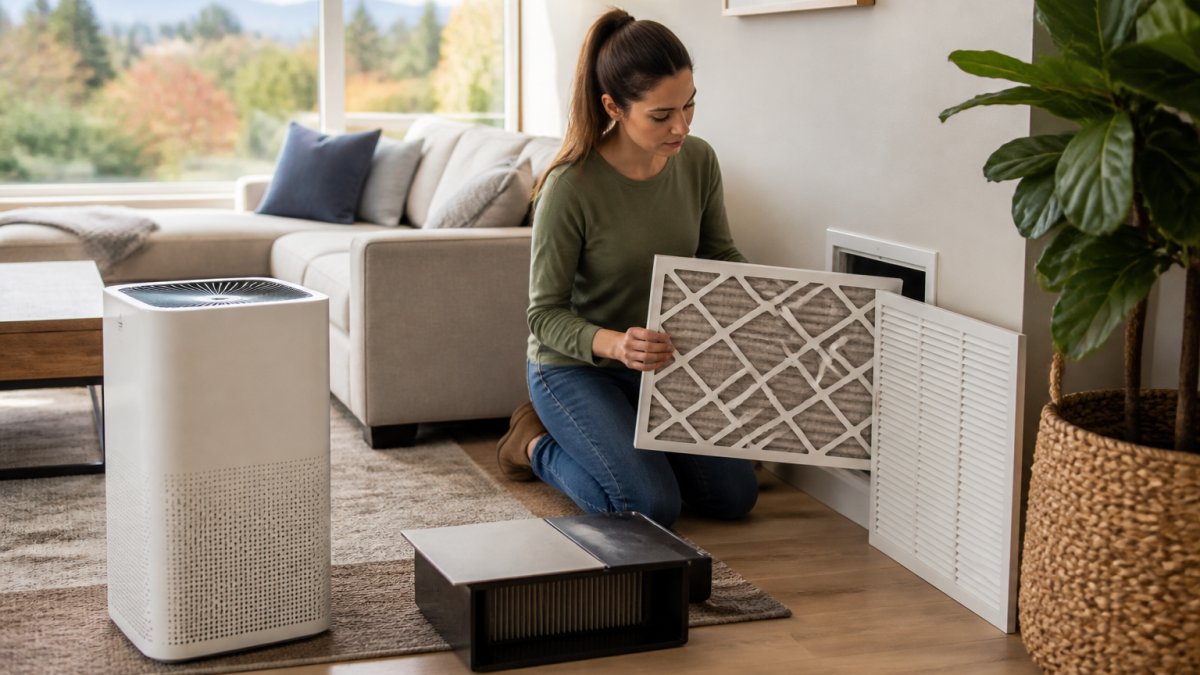
Replace your filter every 1 to 3 months. Check it monthly during smoke season. A clogged filter cuts airflow and raises energy bills.
Schedule your complimentary consultation →
Step 4: Wildfire Smoke Indoor Air Quality Protection
Wildfire smoke indoor air quality protection comes down to one rule: keep smoke out, then filter what's inside.
When smoke rolls into the valley, do this:
- Close all windows and doors
- Set your HVAC system to recirculate, not fresh air
- Run a MERV 13 filter or a portable air cleaner
The CDC offers clear guidance on staying safe during smoke events: CDC wildfire smoke and health guidance. Their advice matches what we tell customers: seal up, filter, and wait it out.
If you have a window AC unit, close its outdoor vent. Central systems should run on recirculate so outdoor smoke isn't pulled in.
Step 5: Duct Cleaning and Indoor Air Quality
Duct cleaning and indoor air quality connect, but not the way most people think. Ducts don't create dust. They move it.
Clean ducts help when you see specific signs:
- Visible dust blowing from vents
- Musty odors when the system runs
- Recent remodeling or water damage
If none of those apply, routine duct cleaning may not do much. The National Air Duct Cleaners Association explains when cleaning actually helps: NADCA guidance on duct cleaning.
What matters more is sealing leaks and changing filters on time. A leaky duct pulls attic or crawlspace air straight into your home.
Measuring Results and Affordable Improvements Ranked by Cost
Measuring results keeps you honest: you can't fix what you don't track, and you can't tell whether a filter upgrade helped without a before-and-after number.
What Consumer Monitors Can and Cannot Measure
A basic indoor air quality monitor reports a few things well and a few things poorly. Know the difference before you spend money.
- Particulate matter (PM2.5): Most consumer monitors do this reasonably well. This is the number that matters most during smoke events and pollen season. Readings are usually shown in micrograms per cubic meter (µg/m³).
- Humidity and temperature: Reliable on almost any unit. This alone justifies a cheap monitor.
- Carbon monoxide (CO): Some monitors include it, but a dedicated CO alarm is the safety device you actually want, a monitor is not a substitute for a UL-listed alarm near sleeping areas and on each level.
What monitors generally cannot do: identify a problem's source, measure mold spores directly, or replace professional testing for radon, asbestos, or lead, those require a separate, specialized test.
How to Interpret Readings
Don't chase a single number. Watch the trend.
- Log PM2.5, humidity, and CO2 at the same times each day for a week to establish a baseline.
- A PM2.5 spike that tracks with cooking, vacuuming, or a neighbor's wood stove tells you the source.
- A CO2 reading that climbs through the night in a closed bedroom is a ventilation signal, not a pollution signal.
Readings often look worst right after an activity, frying, showering, dusting, and settle within an hour. That's normal; persistent highs deserve action.
Affordable Improvements Ranked by Cost and Impact
Rank your fixes by cost and impact, then work top to bottom. No-cost and low-cost steps usually beat big-ticket ones.
| Improvement | Cost Level | Impact | Best Season |
|---|---|---|---|
| Seal gaps and weatherstrip | Low | High | Fall, before heating season |
| Run exhaust fans longer | Low | Medium | Year-round |
| Upgrade to a MERV 13 filter | Low | High | Before smoke season |
| Add a portable air cleaner | Medium | High | Smoke and pollen season |
| Install a dehumidifier | Medium | Medium | Wet winter |
| Seal and clean ducts | Higher | Varies | After remodeling or water damage |
Sealing a drafty door does more than most people expect for a fraction of a new system's cost. A portable HEPA air cleaner is the single most effective add-on for a bedroom during smoke events, because it treats the room you sleep in rather than the whole house.
A Simple Priority Order
- This week, no cost: run exhaust fans longer, take shoes off at the door, and start logging humidity and PM2.5.
- This month, low cost: weatherstrip doors and windows, and swap in a MERV 13 filter if your system supports it.
- Before smoke season: add a portable air cleaner to the bedroom and confirm your HVAC can run on recirculate.
- Before winter: address any basement moisture and set up dehumidification.
- Only if needed: consider duct sealing or cleaning, and only when you see the specific signs covered in Step 5.
Conclusion: Your Next Step Toward Cleaner Indoor Air
Cleaner air in your Willamette Valley home doesn't require a full remodel. It starts with source control, smart ventilation, and the right filter.
If you'd rather hand off the technical work, Valley View HVAC can help. Our team designs systems for the valley's climate, handles high-efficiency installs, and offers duct cleaning and filtration upgrades.
Schedule your complimentary consultation with Valley View HVAC and breathe easier this season.
Frequently Asked Questions
What MERV filter should I use for my HVAC system?
For most Willamette Valley homes, a MERV 13 filter is the sweet spot. It captures fine particles, smoke, and allergens while still allowing adequate airflow through residential HVAC systems. Check your system's manual first, because some older units cannot handle the airflow resistance of higher MERV ratings without modification. During wildfire season, MERV 13 is the minimum you want. Replace it every 60 to 90 days, or every 30 days during heavy smoke events, to keep indoor air quality steady.
How do I keep wildfire smoke out of my home?
Close all windows and doors, then set your HVAC system to recirculate so it stops pulling in outdoor air. Run a MERV 13 filter or a portable HEPA air cleaner in the room where you spend the most time. Skip activities that add indoor pollutants, like frying, burning candles, or vacuuming without a HEPA filter. If you have a fresh-air intake, close it manually or switch the system to recirculate mode. A carbon monoxide detector and smoke detector should stay active throughout.
Does duct cleaning improve indoor air quality?
Duct cleaning helps indoor air quality most when ducts have visible debris, mold growth, or pest activity, or after a renovation. In a well-maintained system with clean filters, routine duct cleaning delivers modest gains. The bigger wins come from sealing leaky ducts and changing filters on schedule. If you notice musty odors, uneven airflow, or dust blowing from vents, have a licensed technician inspect the ducts before scheduling a cleaning.
What indoor humidity level should I aim for in my home?
Target 30 to 50 percent relative humidity year-round. Below 30 percent, you get dry air that irritates airways and cracks wood. Above 50 percent, dust mites, mold, and mildew thrive, especially in damp basements. A hygrometer costs under $20 and tells you where you stand. Use exhaust fans in bathrooms and kitchens, run a dehumidifier in basements, and fix leaks quickly. In the Willamette Valley's wet months, ventilation matters as much as heating.