 Comparison
15-Year-Old HVAC: Repair or Replace? A Decision Guide
Last Updated: November 24, 2026
Quick Summary
At 15 years old, you should probably replace HVAC equipment, or you are close enough that the next major repair decides it. A well-maintained system can still have a few good years left, but a cluster of repairs, rising bills, and comfort complaints means it is time to replace HVAC rather than repair it.
- Two or more service calls in a single year is a red flag on older equipment.
- A repair does not reset the clock; the coil, cabinet, and controls are still 15 years old.
- The $5,000 rule multiplies unit age by repair cost, but ignores efficiency losses and utility costs.
- Cooling equipment wears out sooner than furnaces, so consider each piece separately before a full changeout.
- A spring tune-up and fall checkup help a system routinely outlast an identical unit that gets ignored.
Table of Contents
- Why 15 Years Is the Decision Point for Your HVAC System
- Signs Your HVAC System Needs Replacement
- HVAC Repair or Replace: A Transparent Calculation
- How Much to Replace an HVAC System
- Heating and Cooling Equipment Age Differently
- The Impact of Seasonal Maintenance on HVAC Lifespan
- Efficiency Payback and the Cost of Waiting
- Planning Your Replacement with Valley View HVAC
- Frequently Asked Questions
Why 15 Years Is the Decision Point for Your HVAC System
The reason is simple. A 15-year-old system has already delivered most of its useful life. The compressor has cycled millions of times.
What matters most is not the number alone. It is the number combined with repair history, energy bills, and comfort complaints.
Below, we break down the warning signs, the real math behind repair versus replace, and how to plan a replacement without getting blindsided.
Signs Your HVAC System Needs Replacement
The clearest sign your HVAC system needs replacement is a cluster of problems, not a single one. One repair is normal at 15 years. Three repairs in two seasons, paired with rising bills and uneven cooling, is a system telling you it is done.
Performance and Comfort Warning Signs
Watch for these, and note how many apply at once:
- Repair frequency is climbing. Two or more service calls in a single year is a red flag on older equipment.
- Energy bills are rising without a rate change. A failing system works harder to hit the same temperature.
- Uneven cooling or warm air from some vents. This points to airflow or refrigerant problems that get expensive fast.
- The house never quite feels comfortable. Long run times, humidity swings, and hot upstairs rooms all signal a system past its prime.
- Strange noises or smells. Grinding, rattling, or a musty odor suggests failing components or a drain pan issue.
Safety and Urgent Failure Indicators
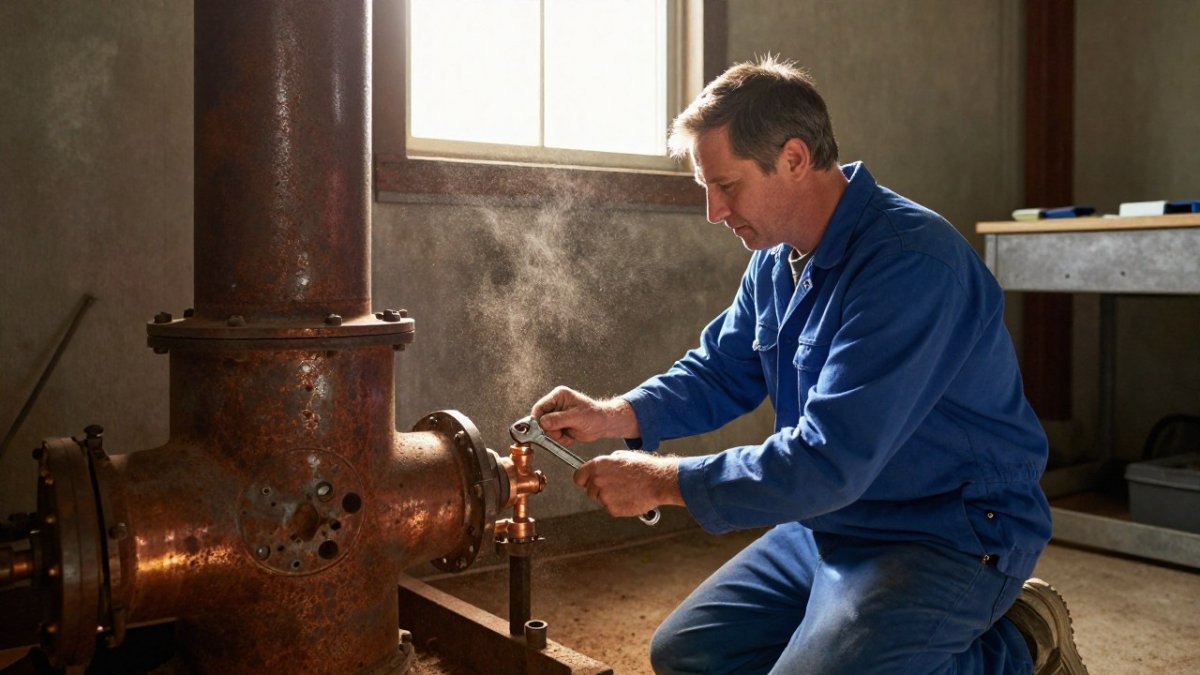
Some problems cannot wait for a convenient replacement window. A cracked heat exchanger on a furnace is a carbon monoxide risk and demands immediate attention. A refrigerant leak that keeps recurring, a compressor that trips the breaker, or water pooling from a clogged drain line all point to imminent failure. If your system fails during a heat wave or cold snap, you are now making an emergency decision instead of a planned one.
HVAC Repair or Replace: A Transparent Calculation
The repair-or-replace decision comes down to one comparison: the cost of the repair versus the cost of a new system, weighted by the age and condition of the equipment. Most homeowners stop at the sticker price of the repair. The transparent version of the calculation adds three more inputs: how much life the repair buys, what the old system costs to run, and what a new system would cost to run.
Here is the calculation we walk homeowners through, step by step.
Step 1: Price the repair and the replacement
Get a written repair quote that lists the part, labor, and any diagnostic fee. Then get replacement quotes for comparable equipment, and compare them with the repair quote using real numbers.
Step 2: Estimate the remaining life the repair buys
A repair does not reset the clock. A new compressor on a 15-year-old air conditioner may add several years of service, but the coil, cabinet, and controls are still 15 years old. Ask the technician a direct question: if we make this repair, how many more seasons should we realistically expect from this system?
Step 3: Run the repair ratio
Total repair cost ÷ age-adjusted replacement cost = your repair ratio.
As a general rule of thumb, when a single repair costs a large share of what a comparable replacement would cost, and the equipment is already 15 years old, replacement often becomes the stronger option. Below that point, a repair can still be the better financial move, especially if the rest of the system is in good condition.
Step 4: Add the operating-cost gap
This is the step most homeowners skip. Pull twelve months of utility bills and compare them with the same months from three to five years ago, adjusting for rate changes. If your usage has climbed while your habits have not changed, part of that increase is the aging system working harder. A new system with a higher efficiency rating will not erase that gap overnight, but it narrows it every month.
A worked example
Suppose a 15-year-old air conditioner needs a $900 blower motor. A comparable replacement quote is $6,500. The repair ratio is about 14%, which on its own looks like an easy repair. But suppose the same system also had a $600 repair last summer, the utility bills are up noticeably year over year, and the technician estimates three more seasons at best.
The $5,000 rule and its limits
A common industry guideline is the "$5,000 rule": multiply the unit's age by the repair cost, and if the result exceeds $5,000, replacement may be worth considering. It is a useful starting point, but it has limits.
Watch out: a repair quote that is cheap but recurring can cost more than it appears over time.
The repair-or-replace math comes down to four inputs you can gather before you decide.
| Step | What to do | Note |
|---|---|---|
| Price the repair and the replacement | Get a written repair quote and comparable replacement quotes | Compare using real numbers |
| Estimate remaining life | Ask the technician how many more seasons the repair buys | A repair does not reset the clock |
| Run the repair ratio | Total repair cost ÷ age-adjusted replacement cost | Replacement often stronger at 15 years |
| Add the operating-cost gap | Compare twelve months of utility bills with three to five years ago | Adjust for rate changes |
How Much to Replace an HVAC System
There is no single price for replacing an HVAC system, but there are reliable ranges and clear cost drivers. Homeowners searching this question want a number to plan around, so here is how the numbers break down and what moves them up or down.
Typical ranges
Replacement pricing depends on system size, equipment choice, and the condition of your home, including ductwork and electrical work. Valley View HVAC does not publish standard pricing; for current prices or a quote for your home, contact Valley View HVAC directly or visit the company website.
What drives the quote
- System capacity. A larger home needs larger equipment, and equipment price scales with capacity.
- Efficiency rating. Higher-efficiency equipment costs more upfront, and incentives may be available depending on your location and the equipment chosen. Ask the contractor to show the net cost after incentives, not just the sticker price.
- Refrigerant type. Refrigerant types have changed over time, which can affect equipment choice and servicing.
- Matched components. Matching indoor and outdoor components is generally recommended for efficiency and reliability.
- Ductwork condition. Leaky, undersized, or damaged ducts add cost. Sealing and balancing can be a meaningful line item on the estimate.
- Electrical and structural work. Older homes may need a new disconnect, dedicated circuit, pad, or line-set replacement. These are common add-ons that surprise homeowners who only budgeted for the box outside.
Questions to ask on the estimate
Ask whether the quote includes a load calculation, a line-set replacement, a new pad or curb, permit fees, and haul-away of the old equipment.
For a deeper look at the factors behind the number, see our guide on why HVAC installation price varies, and for getting the size right in our climate, read HVAC system sizing for Oregon homes.
Watch out: a lowest bid can leave out important work, such as a load calculation or line-set replacement, so compare what each quote includes.
Heating and Cooling Equipment Age Differently
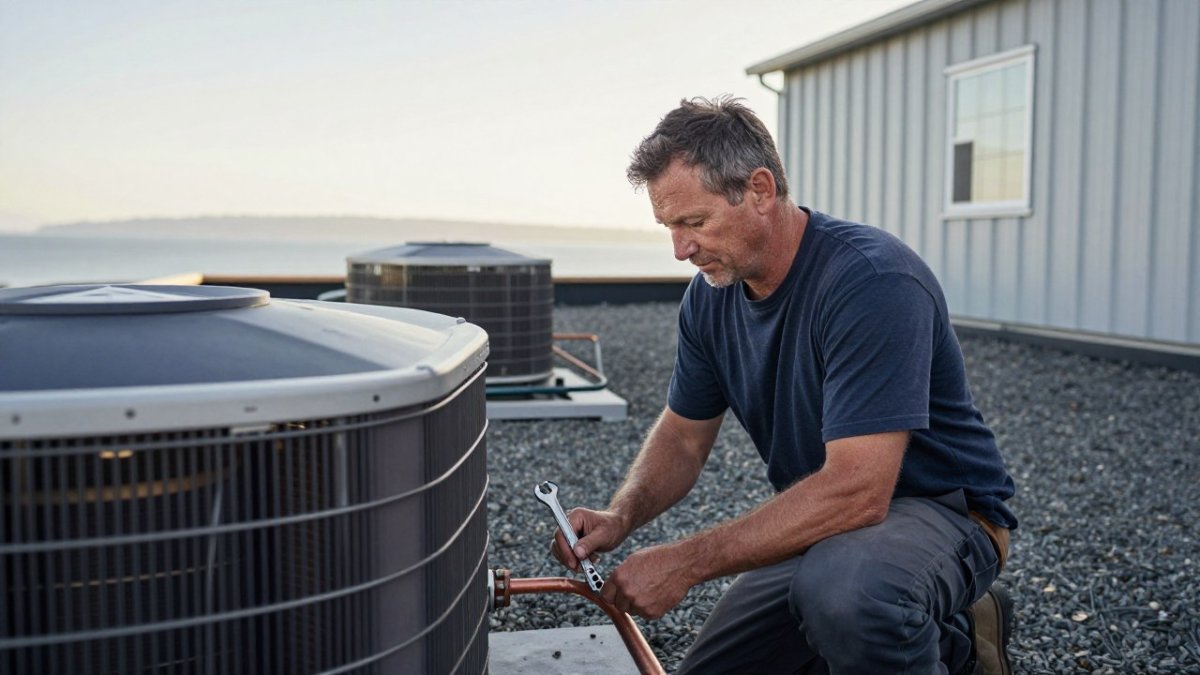
Your furnace and your air conditioner do not age on the same clock. Cooling equipment works harder and typically wears out sooner, which is why a 15-year-old air conditioner often needs replacing while the furnace still has life left.
This matters because homeowners sometimes replace HVAC equipment as a whole system when only the cooling side is failing. Consider each piece of equipment separately before you commit to a full changeout.
The Impact of Seasonal Maintenance on HVAC Lifespan
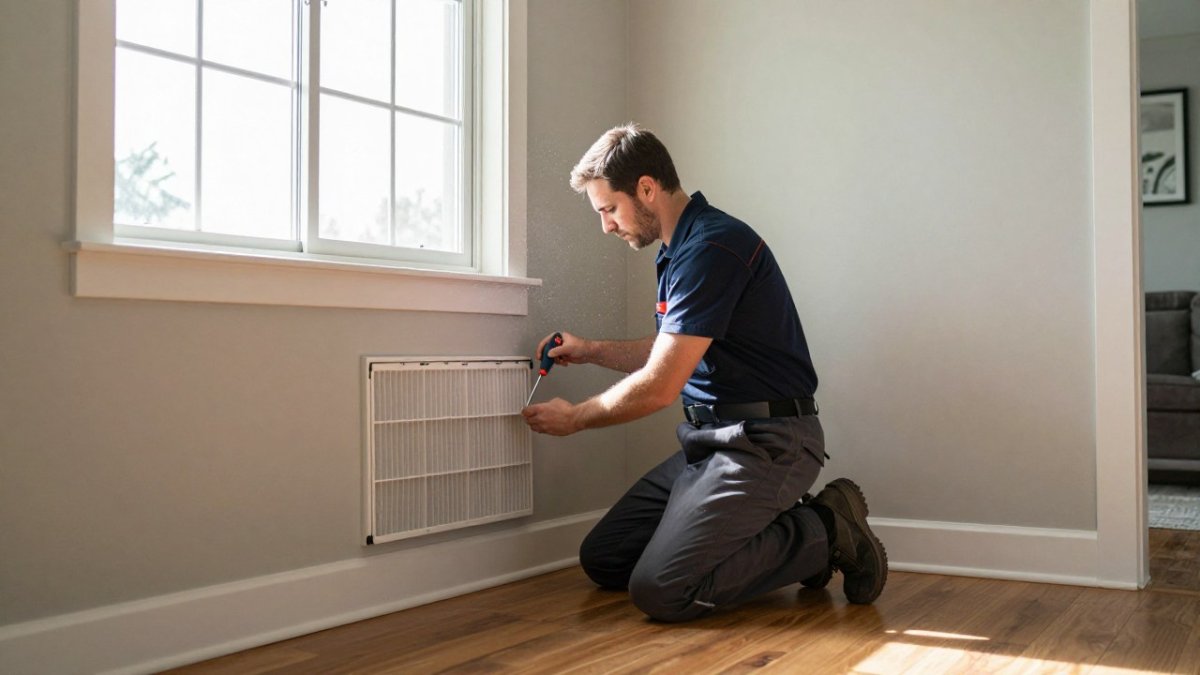
The impact of seasonal maintenance on HVAC lifespan is bigger than most homeowners realize. A system that gets a spring tune-up and a fall checkup routinely outlasts an identical unit that gets ignored until it breaks. Clean coils, correct refrigerant charge, and a clear drain line all reduce strain on the compressor, which is the most expensive part to replace.
A documented maintenance history can help show whether equipment was cared for, which is useful when weighing repair against replacement.
Efficiency Payback and the Cost of Waiting
New equipment runs more efficiently than a 15-year-old unit, and that gap shows up on your utility bill every month. The question is how long the savings take to offset the upfront cost.
The cost of waiting cuts both ways. Every season you delay, you pay higher operating costs and risk an emergency failure. But replacing a system that still has reliable life left is money spent early.
Planning Your Replacement with Valley View HVAC
A planned replacement generally gives you more time to compare options and schedule around your needs than an emergency replacement does. Before you hire anyone, know what a proper installation should involve by reviewing best HVAC installation practices for homeowners, and avoid the costly shortcuts in our guide to HVAC installation mistakes to avoid.
Valley View HVAC designs high-efficiency systems for the Willamette Valley climate.
If your system is showing warning signs, start with our guide to the signs your HVAC system needs replacement so you know what to watch for.
A 15-year-old system rarely fails without warning.
Valley View HVAC designs high-efficiency systems for the local climate, and stands behind the work with a 2-year workmanship warranty and community discounts for veterans, educators, and first responders.
Frequently Asked Questions
Is a 15-year-old HVAC system too old?
Age alone does not condemn a system, but 15 years is the point where the math starts working against you. Many homeowners begin considering replacement as an air conditioner or heat pump ages. At 15, parts are harder to source, efficiency has dropped, and a single major repair can cost a large share of a new unit. A professional inspection can help you understand whether your specific equipment still has useful life left.
Should I replace a 15-year-old air conditioner if it still works?
It can still make sense to keep a working unit, especially if it has a clean maintenance history and no refrigerant leaks. The case for replacing HVAC equipment early is often strongest when you are facing a costly repair relative to a new system, seeing rising energy bills, or dealing with repeated breakdowns. If none of those apply, keep maintaining it and start budgeting for replacement.
What is the $5,000 rule for HVAC systems?
The $5,000 rule multiplies the unit's age by the repair cost. If the result tops $5,000, replacement is usually the better call. Treat it as a starting filter, not a verdict: factor in repair frequency, efficiency losses, and how long you plan to stay in the home before deciding.
How much does it cost to replace an HVAC system?
Replacement pricing depends on system size, efficiency rating, whether you are changing both heating and cooling equipment, and the ductwork condition in your home. Replacement pricing depends on system size, equipment choice, and the condition of your home. For current prices or a quote for your home, contact Valley View HVAC or visit the company website; a complimentary consultation is offered.
Does seasonal maintenance really extend HVAC lifespan?
Yes. Annual tune-ups catch small problems, like a clogged drain line or low refrigerant charge, before they strain the compressor. A system that gets regular maintenance typically reaches the upper end of its expected lifespan, while neglected equipment often fails years early. Maintenance also protects your manufacturer warranty, since many manufacturers ask for documented service when honoring warranty claims.